



















New Prosthesis Skin Irritation: 5 Prevention Tips

Getting used to a new prosthetic limb takes time. To help you adjust, your healthcare team may guide you in gradually increasing how long you wear it. But this adjustment period may come with some skin issues, such as chafing, dermatitis, and rashes.
The good news is that there are steps you can take to reduce skin irritation and stay comfortable as you adapt to your new prosthesis.
Make sure your prosthesis is aligned
If your prosthetic leg is misaligned because your limb has changed as you've settled into your new socket or your prosthesis is still a work in progress, chafing and pressure can easily occur. For instance, if your foot is too far inset, you may experience rubbing along your fibula head (outside bone); if your socket is too flexed, you may experience chafing and pressure against your distal tibia.

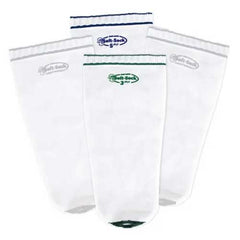
It's also normal for residual limb volume to fluctuate throughout the day, which can affect prosthetic socket fit. As the day progresses, a socket that initially feels comfortable may become loose or tight. You can manage this by changing your prosthetic sock ply.
However, if you notice persistent rubbing, pressure, or pain, set an appointment with your prosthetist as soon as you can.
For more tips on how to properly align your (above-knee) prosthesis, you might want to check out Amputee Tips by Dani Burt on YouTube. Dr. Dani Burt, PT, DPT, is a World Adaptive Surfing Champion, Doctor of Physical Therapy, the first known female above-knee amputee surfer, and a renowned speaker whose mission is "to advocate for equality in adaptive surfing".
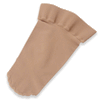
Add a prosthetic sheath against your skin
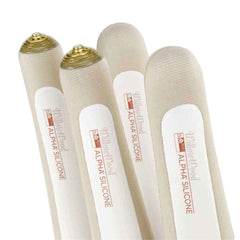
Your prosthesis rubbing against your skin can cause significant discomfort. To prevent further irritation, add a prosthetic sheath to create a slick barrier between your limb and prosthesis. Sheaths can also wick away perspiration, further reducing the likelihood of a blister forming.
However, make sure that a prosthetic sheath is compatible with your prosthetic liner, socket, and suspension system.
Apply a chafing cream
Heat and humidity may also contribute to skin irritation and trigger or worsen skin allergies. Apply a non-greasy chafing cream to increase your comfort and prevent skin irritation. Make sure the cream is formulated and approved for use with your particular prosthetic interface.
It also helps to purchase a travel-sized chafing cream so you can take it with you to provide relief whenever you need it.
Targeted friction management
Prevention is better than cure. So, get familiar with your trouble spots and use targeted friction management such as a Tamarack Glidewear patch. These liner patches are excellent at absorbing friction and shear stresses inside your socket.
Reusable glidewear liner patches are worth the investment because they don't require you to keep repurchasing them. Machine- or hand-wash your liner patches regularly to keep them clean and ready for use.
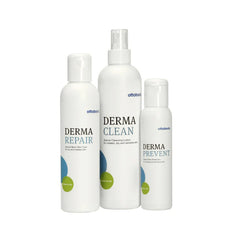
Treat with a prosthetic salve or balm if chafing has occurred
 If you're currently experiencing chafing, salves or balms can help relieve some of the discomfort once the source of irritation has been addressed. If you notice blisters, broken skin, or persistent redness, seek professional assessment rather than treating it yourself.
Make sure to clean any affected areas with a mild cleanser and then apply a second skin dressing kit to protect your damaged skin.
When to contact your prosthetist
Some redness or discomfort may occur as you adjust to a new prosthesis, but persistent irritation shouldn't be ignored. Contact your prosthetist if you notice redness that doesn't fade, recurring pressure points, blisters, or pain while walking. These symptoms may indicate that your socket's fit or alignment needs adjustment.
If you notice broken skin, sores, or worsening irritation, stop wearing your prosthesis and seek professional guidance before using it again. Signs of infection, such as increasing warmth, swelling, spreading redness, pus, or fever, warrant prompt medical attention. Addressing these problems early can help prevent more serious skin complications and keep your prosthesis comfortable and safe to use.
How do you limit skin issues when you receive a new prosthesis? Leave a comment below.
Related Stories
Chafing Issues Solved - Techniques to reduce energy robbing friction
14 Superfoods that Promote Wound Healing
Chafing Cream: What Is It and How to Use It
Your Skin's Barrier: Why it's such a big deal!
5 Realities of Your Suture Scar Line
8 Summer Skin and Prosthetic Problems
5 Reasons Why You Should Stop Using Antibacterial Soaps, Bars, and Gels


