


















Why Prosthetic Salve Belongs in Every Amputee’s Skin Care Routine


Reading Time: 5 minutes
___
Summary:
-
Prosthetic salve is a semi-solid skincare product formulated for the harsh environment inside a prosthetic socket.
-
Relieves dry, flaky residual limb skin—most effective when applied to damp skin after cleansing.
-
Creates a lubricating barrier against prosthetic socket friction to prevent chafing, blisters, and skin breakdown.
-
Supports minor wound healing by keeping abrasions moist; castor oil content adds disinfectant and fungicidal protection.
-
Protects skin grafts and compromised skin from daily socket stressors—look for hypoallergenic, liner-compatible formulas.
-
Nightly application after prosthesis removal allows skin-restoring emollients to work uninterrupted, building long-term skin resilience.
___
Residual limb skin can take a beating. Between the friction of daily wear, the heat and moisture that build up inside a prosthetic socket, and the ongoing pressure on skin not designed for load-bearing—unlike the skin on hands and feet—prosthetic users face skin challenges that most people don’t have to consider. Fortunately, a single, targeted product can effectively tackle many of these problems: the prosthetic salve.

Prosthetic salve is a semi-solid, balm-style protectant formulated specifically for the conditions inside a prosthetic socket. Unlike regular lotions or creams, salves create a long-lasting barrier on the skin that doesn’t rub off quickly, making them especially effective in the demanding environment of a prosthetic socket.
Here are five ways prosthetic salve earns its place in your residual limb skin care routine.
Relieve dry, flaky residual limb skin
Dry skin on a residual limb is more than just uncomfortable; it can also crack, itch, and break down under the stress of daily prosthetic wear. Because ointment-style products, like salves, are thicker and less irritating than lotions, they tend to be more effective at locking in moisture. Prosthetic salve, particularly formulas containing cocoa butter, coconut, and castor oil, deeply hydrates the skin while reinforcing its natural barrier. For best results, apply a salve to slightly damp skin after cleansing to seal in moisture. (But do not forget to let your residual limb thoroughly dry before donning your prosthesis!)
Support minor wound healing
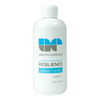
Minor cuts, abrasions, and socket-related skin breaks are common for prosthetic users. Keeping those areas moist is critical: wounds heal faster when they don’t dry out and form a scab, and maintaining moisture also helps minimize scarring. Prosthetic salve formulas, like the Amputee Essentials Resilience Prosthetic Salve, include ingredients with disinfectant and fungicidal properties—such as castor oil—that provide an added layer of protection while the skin repairs itself. Remember to clean the affected area thoroughly before applying the salve, and avoid using it over open wounds or actively infected skin.
Prevent chafing and friction damage
Chafing inside a prosthetic socket is one of the most common complaints among prosthetic users, and if left unaddressed, it can lead to blisters, skin breakdown, and time off the prosthesis (sometimes even prosthetic abandonment). Applying prosthetic salve to high-friction zones—bony prominences, the distal end of the residual limb, or any area that tends to rub—creates a lubricating barrier that reduces the skin cell damage friction causes. Many users apply salve to problem areas before donning their liner or socket as a first line of defense against a painful day.
Protect skin grafts and compromised skin
Prosthetic users with skin grafts or compromised skin face an extra layer of complexity in daily wear. Those areas are more vulnerable to friction, pressure, and breakdown than intact skin. Prosthetic salve is formulated to address these issues by providing a soothing, protective barrier over grafted or fragile skin, helping it withstand the stressors of socket wear. Look for formulas that are hypoallergenic, free of parabens and synthetic fragrances, and compatible with silicone and gel liner materials.
If you’re looking for other products for skin sensitivity and irritation, check out our Sensitivity & Redness collection.
Rehydrate and restore skin between wears
End-of-day skin restoration is just as important as morning prep. After removing a prosthesis, the residual limb is often compressed, sweaty, and subjected to friction for hours. Applying prosthetic salve at night—after cleansing the limb and allowing the skin to dry—gives skin-restoring emollients time to work without the interference of socket wear. It is also the ideal time to target any areas that took extra wear during the day. Consistent nightly application helps build more resilient skin over time, rather than simply reacting to problems as they arise.
A note on prosthetic salve compatibility
Not all salves are created equal. The Amputee Essentials Resilience Prosthetic Salve is specifically formulated to be compatible with silicone-, urethane-, and mineral oil-based gel prosthetic liners. This is important because some general-purpose salves can degrade liner materials. If you’re unsure about how a particular salve might affect your liner or socket, consult your prosthetist.
Related Reading:
14 Superfoods that Promote Wound Healing
Your Skin’s Barrier: Why It’s Such a Big Deal
Hydration or Moisture? How to Give Your Skin Exactly What It Needs
Why Amputees Are More Prone to Chafing—and What to Do About It


