



















What a Poorly Fitting Prosthetic Does to Your Body Over Time


Reading Time: 5 minutes
___
Summary:
-
A prosthetic that fits poorly doesn’t stay a minor issue; it reshapes how your whole body moves
-
The body compensates automatically, creating gait changes, joint strain, and muscle imbalance over time
-
Back and hip pain are common downstream effects; research links them directly to compensatory movement patterns
-
Early warning signs include pressure points, skin irritation, looseness, and needing extra sock ply
-
Small adjustments made early are far easier to fix than long-term compensatory habits
___
A prosthetic that’s “a little off” rarely feels urgent at first. Maybe it’s a subtle pressure point. A bit of slipping. A small change in how you walk. Easy enough to adjust around—so most people do and move on.
But those small issues don’t stay small. They compound. And what starts as mild discomfort can slowly become pain, instability, and long-term strain on parts of your body that have nothing to do with your residual limb.
That’s the hidden cost of a poor prosthetic fit. And it’s why catching problems early matters more than most people realize.

Your Body is Always Compensating
The human body is remarkably good at adapting. When something feels off in your prosthesis, your nervous system responds automatically. You shift your weight, change your stride, or favor one side without ever consciously deciding to. In the short term, this helps you stay comfortable and keep moving.
Over time, though, these compensations create problems of their own. What began as a subtle adjustment becomes a habit. And habits shape how your whole body moves.
The Ripple Effect of a Poor Prosthetic Fit
A prosthesis doesn’t just affect your residual limb; it also affects your entire movement system. When prosthetic alignment or fit is off (even slightly), the effects travel upward.
Joint strain. Your hips, knees, and lower back absorb uneven loads when your gait isn’t balanced. Over time, that asymmetry adds up.
Gait changes. Shorter or uneven steps, reduced stability, and increased fatigue are all signs your body is working harder than it should to keep you moving.
Muscle imbalance. Some muscle groups get overworked while others weaken from underuse. Research has shown that prosthetic users often develop compensatory movement patterns that, over time, increase strain on the back and hips. All this means that your body is doing extra work to make up for something that isn’t quite right.
What Happens If It Goes Unaddressed
Left untreated, a poor fit can contribute to chronic back or hip discomfort, reduced mobility, skin breakdown, a higher risk of falls, and lower overall activity levels. Once these patterns are established, they’re harder to reverse.
This isn’t meant to alarm you; instead, it’s meant to reframe your mindset. What feels like a minor inconvenience today has a cumulative cost if you keep absorbing it.
Signs Your Prosthetic Fit Needs Attention
The earlier you catch a fit issue, the simpler the fix. Watch for:
-
New or increasing pressure points
-
Redness that lingers after removing your prosthetic liner
-
A feeling of looseness or instability
-
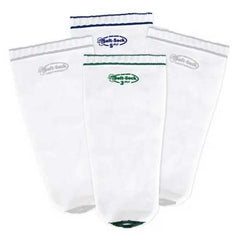
Needing more sock ply than usual to maintain fit
-
Changes in your walking pattern
-
Unusual fatigue after normal activity levels
If something feels different, it usually is. Learn to trust that signal.
How to Get Ahead of It
Don’t wait it out. Discomfort rarely resolves on its own. Assuming it will resolve on its own is one of the most common ways small issues become big ones.
Track subtle changes. Pay attention to how your fit feels throughout the day, how your skin looks after wear, and whether your comfort or activity levels are shifting. Even patterns that seem minor are worth noting.
Manage volume fluctuations. Changes in residual limb volume are normal, but they need to be managed. Adjusting sock ply, monitoring daily changes, and using tools like the Amputee Essentials Calibrate Adjustment Gel Pads can help prevent fit issues from escalating.

Adjust sooner rather than later. A quick adjustment now is far simpler than correcting a long-term pattern later. Your prosthetist can often address early-stage issues in a single visit.
When to See Your Prosthetist
You don’t need to wait for severe pain. Persistent discomfort, gait changes, recurring skin irritation, or any loss of confidence while walking are all good reasons to check in.
Think of your prosthetist less as someone you see when things go wrong, and more as a maintenance partner—someone who helps you stay ahead of problems before they compound.
The Bottom Line
A poorly fitting prosthesis doesn’t just affect how your limb feels; it also affects how your entire body moves. Over time, this would limit how much you’re able to do.
The good news is that most prosthetic fit issues are fixable with simple adjustments when identified early. The small signals your body is sending right now are often the first and best chance to prevent something harder to correct later. It’s crucial to pay attention to them.
Related Reading:
How to Manage Persistent Lower Back Pain
What Your Residual Limb Skin is Trying to Tell You (Before It Gets Worse)
How AI and 3D Printing Are Improving Prosthetic Socket Fit
The First Step to Better Pain Relief Is Knowing Your Type of Limb Loss Pain


