


















Why Amputees Are More Prone to Chafing—and What to Do About It


Reading Time: 6 minutes
___
Summary:
-
Prosthetic socket wear creates friction, heat, and moisture—a perfect storm for chafing.
-
Residual limb skin is more vulnerable than general skin, especially for new amputees.
-
Loose socket fit is a primary driver: more movement means more skin breakdown.
-
Anti-chafing creams, liner patches, and nylon sheaths each target different friction sources.
-
Persistent chafing in the same spot signals a fit problem, not just a skin care problem.
___
Chafing is a near-universal skin complaint, particularly during the hot summer months. But for prosthetic users, it can be a daily challenge. The combination of a prosthetic socket, a liner, and a residual limb creates exactly the conditions that make chafing worse and harder to ignore. Here’s what’s actually happening to your skin, and what you can do about it.

What Chafing Actually Is
Chafing occurs when skin is repeatedly rubbed against skin, clothing, or another surface. That repetitive friction damages the outermost layer of skin, triggering inflammation and a red, irritated rash. For the general population, the usual culprits are inner thighs, underarms, and areas where clothing fits poorly. For prosthesis wearers, the residual limb is the primary site, as it’s subjected to continuous contact with a liner or socket across every step, every movement, and every hour of wear.
Moisture makes everything worse. Sweat increases friction, softens the skin’s protective barrier, and introduces acidity and salt that compound irritation. The enclosed environment inside a prosthetic socket—warm, often non-breathable, and close-fitting—creates exactly the conditions that accelerate skin breakdown.
Why Amputees Face a Higher Risk
Several factors converge to make chafing a more persistent problem for prosthetic users than for the general population.
Constant mechanical contact. A prosthetic socket fits closely by design. Unlike clothing, which shifts and breathes throughout the day, a socket maintains consistent pressure on the residual limb. Any area of irregular fit—a hot spot, a pressure point, a seam on the liner—becomes a recurring friction source.
Volume fluctuations. Residual limbs change in volume throughout the day, with activity, hydration, and temperature. When the fit loosens even slightly, the limb can shift inside the socket, creating shearing forces on the skin that standard chafing products aren’t designed to address.
Reduced skin toughening. Residual limb skin doesn’t have the same callus-forming resilience as skin that’s been exposed to friction gradually over the years. This is especially relevant for newer amputees still in the socket adjustment period.
Heat and moisture retention. Silicone and urethane liners trap heat and sweat. Without adequate liner hygiene and skin care, this creates a sustained warm, moist environment—the ideal setup for friction-related skin breakdown.
Getting Ahead of the Problem
The most effective approach to chafing is preventing it before it starts.
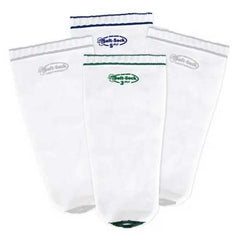
Fit first. No topical product compensates for a socket that fits poorly. If you’re experiencing consistent hot spots or areas of recurring irritation, flag them with your prosthetist. Fit adjustments—socket modifications, liner changes, or volume management strategies like prosthetic socks—address the root cause.
Use anti-chafing products proactively. Salves, ointments, and barrier creams work by reducing friction on the skin’s surface by either making skin more slippery so surfaces glide or absorbing moisture so the skin stays dry. Look for products containing dimethicone (a silicone-based skin protectant) or zinc oxide. Apply before donning your prosthesis, not after irritation has already set in. Avoid alcohol-based products, which strip the skin’s natural barrier, and steer clear of fragranced formulas, which can further irritate compromised skin.
Prioritize liner hygiene. Wash your prosthetic liner daily with mild soap and allow it to dry thoroughly before reuse. A liner that retains sweat, bacteria, and debris from the previous day’s wear is a friction and irritation problem waiting to happen. Clean, dry, liner surfaces reduce both friction and the risk of skin infection.
Keep residual limb skin healthy. Moisturized skin handles friction better than dry, cracked skin. Apply a moisturizer containing vitamin E, zinc oxide, or aloe vera to your residual limb regularly—but not immediately before donning your liner, as excess moisture at the skin-liner interface can actually increase slipping and friction. Timing matters: moisturize at night or after liner removal, and make sure skin is fully dry before donning.
Change out of sweaty gear promptly. After activity, remove your prosthesis and liner as soon as it’s practical. Wet materials against skin, whether a liner, a prosthetic sock, or a compression sleeve, increase friction and allow sweat residue to irritate the skin further as it dries.
Treating Chafed Skin
If chafing has already developed, the priority is protection and healing, as well as making sure it doesn’t worsen into something more serious. Breaks in chafed skin create entry points for bacteria, and chronic chafing can lead to scarring and long-term skin discoloration if left unaddressed.
Start by gently washing the affected area with mild soap and patting it dry. Apply a thick layer of salve or zinc oxide to repair the skin barrier and protect the area from further friction. Aloe vera gel or coconut oil can help soothe inflammation; an over-the-counter 1% hydrocortisone cream applied twice daily for a few days can help calm more significant irritation.
While skin is healing, give it as much rest from the prosthesis as your schedule allows. When you do need to wear it, wear loose, breathable clothing over the area and apply a physical barrier—like a bandage or specialized padding—between the irritated skin and the liner or socket surface. Mild chafing typically improves within a few days with consistent care.
If the area doesn’t improve, develops signs of infection (increasing redness, warmth, swelling, or discharge), or if chafing is a recurring problem in the same location despite preventive measures, see your dermatologist or contact your prosthetist. Recurring issues in a specific spot often signal a fit or alignment problem rather than a skin care problem—and that requires a prosthetic solution.
The Bottom Line
Chafing is common, but it’s not something you have to accept as an unavoidable part of prosthetic wear. The right combination of fit management, liner hygiene, barrier products, and residual limb skin care can significantly reduce both the frequency and severity of skin irritation. Start with the basics: keep skin clean and moisturized, use barrier products proactively, and pay attention to early warning signs before minor irritation becomes a larger problem.
Related Reading:
Chafing Issues Solved: Techniques to Reduce Friction
Chafing Cream: What It Is and How to Use It
15 Skin Problems Amputees Experience & How to Solve Them
What Your Residual Limb Skin is Trying to Tell You (Before It Gets Worse)


