




















Sand, Salt, and Sweat: Protecting Your Prosthesis and Skin at the Beach


Reading Time: 9 minutes
___
Summary:
-
Sand inside a liner acts like sandpaper—check and rinse before re-donning.
-
Water-resistant and waterproof are not the same; confirm your prosthesis rating before going to the beach.
-
Apply prosthetic antiperspirant the night before for best sweat control at the beach.
-
Sunscreen on the wrong part of your residual limb reduces liner suspension—placement matters.
-
Rinse skin and components with fresh water after any saltwater exposure.
___
Summer isn’t complete without at least one beach trip. But for prosthetic users, what’s supposed to be a carefree trip comes with a list of concerns to plan for. Sand gets into everything; saltwater is harder on components than most people realize; heat and sweat can shift socket fit; and uneven, soft ground makes every step feel like more work.
None of this means the beach is off-limits. It simply means a little preparation goes a long way.

Know whether your prosthesis is water-safe
The first question to answer before any beach trip (or any trip near a body of water) is whether your prosthesis is designed for water exposure, and specifically, what level of exposure it can handle.
Water-resistant and waterproof are not interchangeable terms. A water-resistant prosthesis may tolerate light splashes or sweat but is not designed for submersion. Meanwhile, a waterproof or water-safe device is specifically designed for wet environments, though even those typically require rinsing after contact with saltwater, sand, or chlorine. If you’re unsure, then you need to talk with your prosthetist before your trip.
Saltwater is especially harsh on prosthetic hardware. It can corrode metal parts, degrade materials, and leave residue inside locking mechanisms, valves, and other small components. Sand compounds the problem by working its way into any opening it can find.
If you have access to a dedicated shower leg, swim leg, or beach prosthesis, using it instead of an everyday device is the simplest solution. But if you only have one prosthesis and it is not rated for water, you need to exercise a little more restraint.
Sand and the Prosthetic Socket
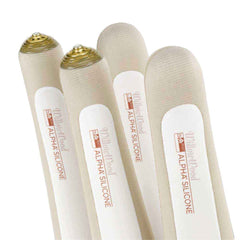
Sand trapped against the skin or inside a liner is not a minor nuisance; it acts like sandpaper as soon as you start moving. Whenever you take your prosthesis off at the beach, avoid removing your liner. Check your liner, sleeve, socks, and socket opening before putting it back on. Brush off visible sand, and rinse with fresh water if available.
Keep a clean towel dedicated to your residual limb and prosthetic supplies. Consider getting microfiber because it dries quickly and packs small. Other items you might want to keep on hand are:
-
A plastic bag for wet or sandy items
-
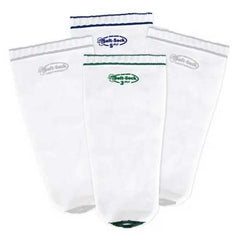
Extra prosthetic socks
-
A backup liner or sleeve, if available
-
A small bottle of fresh water for rinsing
-
Skin-safe wipes
The more consistently you keep your skin and liner clean throughout the day, the less likely you are to experience rubbing, redness, or skin breakdown by the time you leave the beach.
Protecting Your Skin from Heat, Sweat, and Friction
Beach conditions add up quickly: heat, increased activity, sweat, sunscreen, salt, and more time standing than usual. For prosthetic users, this combination heightens the risk of friction. Sweat can reduce suspension effectiveness, leading to more limb movement within the socket, which then causes friction. Furthermore, saltwater dries skin, sand scratches, and sunscreen can leave residue on liners and sleeves that hinders grip.
To reduce skin irritation on your residual limb, start the day with clean, dry skin. If you use a prosthetic antiperspirant, apply it the night before since most antiperspirants work best when they have time to absorb while your sweat glands are less active. Avoid heavy lotions or greasy products before donning unless your prosthetist has specifically recommended them.
Take breaks throughout the day. Find a clean, shaded spot where you can remove your prosthesis and examine your skin. Hot spots, unusual redness, swelling, and blisters are early warning signs to watch for. A small, irritated area that gets ignored for a few more hours can become a problem. If you notice discomfort, clean the area, let it dry, and address the friction source before continuing. If the skin is broken or pain persists, stop wearing the prosthesis for the day and follow up with your prosthetist.
Looking for products that can help you manage sweating in the socket? Check out our Sweat Control collection.
Be Careful with Sunscreen Around Liners and Sleeves
Sunscreen is non-negotiable at the beach. Yes, even for skin on the residual limb that is not usually exposed to direct sunlight. If you remove your prosthesis and that skin is exposed to direct sunlight, it may burn faster than skin with regular sun exposure.
The complication is placement. Sunscreen that gets onto the portion of your residual limb that contacts your liner can reduce suspension. Oily or greasy formulas are especially problematic.
So, apply sunscreen to exposed areas, but be careful around the trim line and any skin that sits inside the liner. Let it dry completely before donning. If sunscreen does get into a liner, clean it according to the manufacturer’s care instructions as soon as possible.
Develop a Beach Bag System
Prosthetic users need to be more intentional about their beach bag organization; a beach tote where you throw everything in is not enough. When developing your own system, keep in mind that you need to keep clean prosthetic items separate from wet or sandy ones. A few resealable bags or pouches that let you separate wet or used items from your clean ones, and a place to keep your phone and keys in your bag, are all it takes.
Your prosthetic kit might include the following:
-
A clean towel dedicated to your prosthesis
-
Extra prosthetic socks in different ply options
-
Backup sleeve or liner
-
Prosthetic-safe cleanser or wipes
-
Fresh water for rinsing
-
Plastic bags for dirty items
-
Water shoes or sandals
-
Any skin barrier product your prosthetist has recommended
The organizational details that matter most: keep clean items clean. Sand spreads. Once it’s inside a backup prosthetic sock or spare liner, that item becomes useless when you need it.
Rinse After Ocean Exposure
If your prosthesis comes into contact with saltwater, rinse it with fresh water afterward. Follow your prosthetist’s guidance on what can and cannot be rinsed. Pay attention to areas where sand collects: around the foot shell, under cosmetic covers, near valves, and around locking mechanisms. Do not force water into components not designed for it. If your device has a water-resistant microprocessor knee, vacuum system, or other electronics, follow the manufacturer’s care instructions.
Don’t forget to rinse your skin, too. Salt and sand left on the residual limb can cause dryness and irritation that worsen overnight.
Mobility Aids and Accessibility
Water shoes improve traction on wet rocks, shells, and slippery surfaces while protecting your sound foot. Trekking poles, forearm crutches, or a cane can make crossing soft sand significantly easier.
If the beach you’re visiting offers accessibility services or beach wheelchairs, check availability before you arrive. Beach wheelchairs with oversized tires are designed to move more easily across sand and can help conserve energy for a longer day.
Managing Volume Changes Through the Day
Heat, hydration, and activity all affect residual limb volume. That’s why a socket that fits well in the morning may feel looser or tighter by the afternoon. If you use prosthetic socks, bring multiple ply options.
Once you notice signs that your fit is changing—such as pistoning, unusual rubbing, pressure spots, loss of suspension, or a sensation of sinking into the socket—it’s vital to address it as soon as possible rather than pushing through. Small adjustments protect your skin and make the rest of the day more comfortable.
Clean Everything When You Get Home
A post-beach cleanup is not optional. Even if nothing looks obviously wrong, salt and sand may still be present.
Wash your liner with mild soap and water, rinse thoroughly, and let it dry completely before use. Wipe down the socket and any surfaces that came into contact with sand, sweat, or sunscreen. Check the lower components and the foot shell for trapped sand, and inspect your skin after showering—look for redness that does not fade, blisters, cuts, rash, swelling, or tender areas. If an irritated area worsens, opens, or does not improve, contact a medical professional.
The Goal Is a Good Day, not a Perfect One
A beach day with a prosthesis requires more planning than it does for most people, but it doesn’t have to be complicated.
Know your device and its water limitations. Pack a small care kit. Protect your skin before you go, take prosthetic breaks while you’re there, and clean thoroughly when you get home. The sand, salt, and heat are manageable, but they do require a little planning.
Related Reading:
Waterproof Prosthetic Legs Explained: Shower, Swim, and Water-Safe Options
Skin Care That Supports Prosthetic Comfort and Your Confidence
Prosthetic Maintenance Checklist: What to Clean, Inspect, and Replace—and When


