

















How to Get the Most Out of Your Prosthetic Antiperspirant


Reading Time: 5 minutes
___
Summary:
-
Applying prosthetic antiperspirant to dry skin prevents irritation and maximizes sweat-blocking effectiveness.
-
Nighttime application delivers better results as active ingredients absorb while sweat gland activity is lowest.
-
Fragrance-free formulas protect sensitive residual limb skin from irritants and contact dermatitis.
-
Repeated irritation can trigger post-inflammatory hyperpigmentation (PIH); monitor skin and consult a dermatologist if discoloration appears.
-
Combining antiperspirant with moisture-wicking liners or Botox is more effective at managing residual limb hyperhidrosis than antiperspirant alone.
___
If you’ve already chosen the right antiperspirant format for your residual limb—whether that’s a stick, roll-on, or spray—the next step is to make sure you’re using it correctly. Getting the application right makes a bigger difference than most people expect. These tips will help you maximize effectiveness, protect your skin, and keep your prosthetic fit comfortable all day long.
[Unsure what antiperspirant format is best for your lifestyle? Read our guide to choosing the right antiperspirant for prosthetic users.]

Make Sure It’s an Antiperspirant, Not Just a Deodorant
This distinction matters more for residual limb care than almost anywhere else on the body. Deodorants reduce odor by targeting odor-causing bacteria, but they don’t reduce sweating. For prosthesis wearers, sweat volume directly affects socket fit, liner integrity, and skin health, so you need an antiperspirant that actually blocks sweat production at the gland level. Check the active ingredients label: aluminum-based compounds, such as aluminum chloride, aluminum chlorohydrate, or aluminum zirconium, confirm it’s a true antiperspirant.
If over-the-counter strength isn’t delivering results, a stronger clinical-strength OTC formula may be worth trying before moving to a prescription option.

The ALPS Prosthetic Antiperspirant contains twice the aluminum chlorohydrate of typical consumer brands. This prescription-strength antiperspirant is available without a doctor’s prescription.
Apply to Completely Dry Skin
This is one of the most important—and most overlooked—rules. Applying antiperspirant to damp or sweaty skin can cause irritation and compromise its effectiveness. After cleaning your residual limb, dry the skin thoroughly before applying. A towel works, but you can also try a hair dryer on a cool setting, which gives you more confidence that no moisture remains on the contoured areas of the skin. Even a small amount of residual moisture can create problems.
Apply Twice Daily—Especially Before Bed
Twice-daily application, including once before bed, has been studied to produce the best results. Nighttime application is particularly effective because sweat gland activity is lower during sleep, allowing the active ingredients to absorb fully and build their blocking effect. If you can apply only once, do so before bedtime rather than in the morning.
Gently massaging the product into the skin during application may also improve absorption and effectiveness.
Skip the Fragrance if Your Skin is Sensitive
Residual limb skin spends hours in a warm, enclosed environment inside a prosthetic socket—conditions that can amplify sensitivity and irritation. Fragrances in antiperspirants and deodorants are common triggers of both irritant and contact dermatitis. If you notice redness, itching, or skin breakdown, switch to an unscented antiperspirant. Unscented formulas still control odor; the active aluminum compounds inhibit the bacteria that cause it, so you aren’t trading odor control for skin comfort.
Note that many deodorants contain essential oils and other ingredients that can provoke allergic reactions. Another reason to verify you’re using an antiperspirant, not a deodorant.
Never Wrap or Occlude the Skin
Some people assume that wrapping the skin after applying antiperspirant might boost absorption. It doesn’t; it only makes irritation worse. Never occlude or wrap the treated skin in plastic or any material after application. This applies to residual limbs as well, even though donning a prosthetic liner shortly after application might feel similar. Allow adequate drying time before putting on your liner or socket.
Know the Signs of Post-Inflammatory Hyperpigmentation
Repeated irritation from antiperspirant use can trigger post-inflammatory hyperpigmentation (PIH), a condition where the skin produces excess melanin in response to irritation or injury, resulting in tan, brown, dark brown, or even blue-gray patches.
PIH is more common in people of color. For prosthesis wearers, this is worth watching closely: residual limb skin is already subject to friction, pressure, and occlusion, all of which can compound irritation from an antiperspirant. PIH typically fades on its own over six to 12 months, but a dermatologist can help speed recovery with treatments such as retinoids, skin lighteners, or chemical peels. If you’re concerned about the risk, speak with your healthcare provider or prosthetist before starting a new antiperspirant.
Consider Combining Treatments
Antiperspirant alone may not be enough for everyone, especially those with more significant residual limb hyperhidrosis. It’s common (and often recommended) to combine approaches.
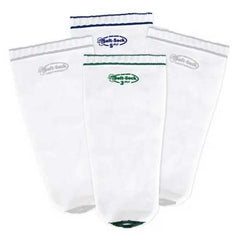
Using an antiperspirant alongside other interventions, such as moisture-wicking liners, absorbent socks, or, in more persistent cases, Botox injections into the residual limb, can yield better long-term results than any single solution alone. Talk to your prosthetist or dermatologist about what combination makes sense for your situation.
The Bottom Line
Managing residual limb sweat is an ongoing process, and small adjustments to how you apply your antiperspirant can have a meaningful impact on your comfort, skin health, and prosthetic performance. When in doubt, your prosthetist is a good first resource, and a dermatologist can help if skin irritation becomes a persistent issue.
Related Reading:
15 Skin Problems Amputees Experience & How to Solve Them
Skin Care That Supports Prosthetic Comfort—and Your Confidence
Stop the Slip: How Antiperspirants Improve Prosthetic Fit and Function


