






















Are Prosthetics Tax Deductible? What Those Living With Limb Loss Need to Know


Reading Time: 5 minutes
___
Summary:
-
Prosthetic limbs, components, liners, sleeves, socks, and residual limb care products may all qualify as tax-deductible medical expenses
-
To claim the deduction, total medical expenses must exceed 7.5% of your adjusted gross income—prosthetist visits, physical therapy, and travel to appointments all count toward that threshold
-
HSAs and FSAs are often the smarter move: no 7.5% threshold, pre-tax dollars, and coverage for most prosthetic-related expenses
-
Track receipts, mileage, and order confirmations year-round—and cluster purchases within the same tax year to maximize your chances of crossing the deduction threshold
___
Let’s be honest—taxes aren’t particularly exciting. But if you’re living with limb loss, this is one area where it really pays to pay close attention because you could be leaving money on the table.
The good news: many prosthetic-related expenses qualify as tax-deductible. The catch: most people either don’t track them throughout the year or don’t know what counts in the first place.
Here’s an easy-to-understand breakdown of everything you need to know about taxes and prosthetic care.

What the IRS Says and What It Means for You
The Internal Revenue Service (IRS) allows taxpayers to deduct certain medical expenses when they itemize their deductions, and prosthetics fall in that category. But the deduction applies only if your total qualifying medical expenses surpass 7.5% of your adjusted gross income (AGI).
That threshold matters more than most people realize. If your AGI is $100,000, your qualifying expenses must exceed $7,500 before anything becomes deductible. Spend $6,000—no deduction. Spend $15,000—$7,500 is deductible. High-cost prosthetic years, like when you’re getting a new device or dealing with major repairs, create the best opportunity to cross that line.
What Qualifies (Including What Most People Miss)
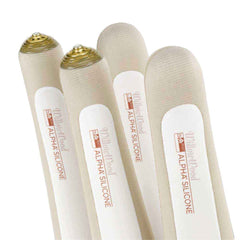
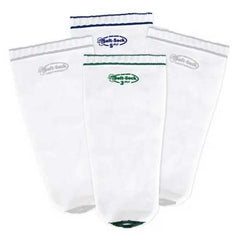
Prosthetic limbs, replacement parts, repairs, new sockets, and components are clearly classified as medical devices and are fully deductible. So are the consumables that make daily prosthesis use possible: prosthetic liners, suspension sleeves, and prosthetic socks.
What most people miss is residual limb care. Products designed for limb loss and limb difference and used for skin protection, preventing irritation or breakdown, and hygiene related to prosthetic use—cleansers, barrier creams, anti-chafing products—may also qualify. The guiding principle is this: if it helps you safely wear your prosthesis, it likely leans medical rather than cosmetic.
Prosthetist visits, fittings, adjustments, and physical therapy all count, too. So does travel to and from appointments, parking, and tolls. Each trip may seem minor, but over the course of a year, those costs add up fast, particularly for patients who see their prosthetist regularly.
A Smarter Option: HSA and FSA
If you have access to a Health Savings Account (HSA) or Flexible Spending Account (FSA), use it. There’s no 7.5% threshold to clear as you’re spending pre-tax dollars directly on qualifying expenses. In years where your total medical costs don’t push past the threshold for itemized deductions, an HSA or FSA often delivers more consistent savings.
How to Make the Most of It
Track everything from the start—receipts, order confirmations, a mileage log—rather than trying to reconstruct spending whenever April comes around. If you’re planning to get a new liner, supply restock, or adjustment, try to cluster those purchases within the same tax year to improve your chances of crossing the threshold. And don’t dismiss small purchases: socks, cleansers, and daily care products that seem trivial individually.
On the flip side, general cosmetic products and items without a clear medical purpose tied to prosthetic use are unlikely to qualify. When you’re unsure, ask: Is this helping me use my prosthesis safely? If the answer is yes, it has a reasonable case. When in doubt, consult a tax professional, especially in a high-expense year.
The Bottom Line
Many prosthetic-related expenses are tax-deductible—from the device itself to liners, socks, skin care products, and miles driven to appointments. But the deduction only works if you know what counts, track it throughout the year, and cross the 7.5% AGI threshold. For everyday spending, an HSA or FSA often delivers more consistent tax savings without the spending requirement.
Living with limb loss already comes with enough challenges. If there’s a legitimate way to ease the financial side—even a little—it’s worth taking full advantage of.
Related Reading:
Prevent Medical Bill Shock With These Tips
Medicare and Prosthetic Limbs: Coverage for Amputees Explained
Prosthesis Care 101: The Simple Daily Routine That Protects Your Skin, Device, and Mobility
How to Wash Your Prosthetic Liner: Keep It Comfortable, Grippy, and Skin-Friendly


