





















Prosthetic Maintenance Checklist: What to Clean, Inspect, and Replace—and When


Reading Time: 9 minutes
___
Summary:
-
Prosthetic liners should be cleaned after every wear—inspect for cracks, thinning, and odor each time
-
Residual limb skin needs daily washing, full drying, and visual inspection before donning
-
Six-month professional inspection is standard for many sockets and components; more often for active users
-
Microprocessor knees require mandatory service at 12-24 month intervals; missing the window may void the warranty
-
Sand, salt water, and chlorine require immediate rinse, dry, and inspection of all exposed components
___
A prosthetic limb is built to move with the body through demanding, often unpredictable days. And like any high-performance equipment, it requires consistent upkeep to stay safe, comfortable, and functioning as intended. Yet guidance on prosthetic maintenance is often scattered across individual product manuals rather than organized in a way that’s easy to act on.
This guide consolidates care guidance from major manufacturers—including Ottobock, Össur, Blatchford, and WillowWood—to provide prosthetic users and caregivers a practical, frequency-based reference for what to clean, what to inspect, and when to bring a prosthetist into the picture. If you’d like an easy-to-reference table, check at the end of this article.
While maintenance needs differ greatly depending on the manufacturer, component type, suspension system, activity level, and individual fit, this guide highlights common themes found in many manufacturers’ documentation. Nevertheless, always prioritize your prosthesis manual and your prosthetist’s specific instructions.

Every Day: Skin, Liner, Socket, and Sleeve
Daily maintenance is the foundation on which every other layer of care depends. The residual limb and the components that come into contact with it require attention each time the prosthesis is removed.
Residual limb care starts with washing the skin with a mild, pH-neutral soap or cleanser, drying it thoroughly, and inspecting it for any redness, irritation, sores, blisters, unusual odor, or drainage before putting the liner back on. Moisturizing is part of the routine, but manufacturers, including Össur, recommend doing it at night rather than immediately before donning your prosthesis, as moisturizer can affect the liner’s grip.
For users with reduced sensation in the residual limb, this daily visual and touch check is especially critical. Blatchford specifically notes that users with reduced sensation may not feel a sore area forming and emphasizes the need for inspection every time the prosthesis is removed.
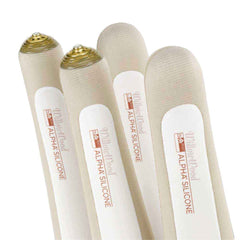
Liner cleaning is the most hands-on daily task. Ottobock recommends turning the liner inside out, washing it under lukewarm water with a neutral cleaning lotion, rinsing it thoroughly, and drying both sides with a lint-free towel. Össur similarly recommends handwashing after each wear. Furthermore, WillowWood’s Alpha liner instructions specify that liners must be thoroughly cleaned at the end of each day of wear.
After cleaning, liners should be inspected for cracks, tears, thinning, tackiness, unusual odor, or stretched areas. A compromised liner affects both suspension and skin health, so catching wear early is far easier than managing a blister or a suspension failure in the middle of the day.
Suspension sleeves, if you use them, should also be wiped or washed according to the product instructions, dried fully, and checked for holes, thinning, or any loss of suction. WillowWood’s One system documentation specifically warns against storing the prosthesis with the top half of the sleeve rolled back over the socket edge, as this can cause premature wear.
If you’re looking for gentle, prosthesis-safe cleansers, check out our collection here.
Hot Days and High-Sweat Conditions
Warm weather introduces additional skin and fit challenges that deserve their own attention. When heat and sweat are factors, removing the prosthesis periodically—during breaks throughout the day, for example—gives both the limb and the liner a chance to dry.
Checking the skin at those points, drying the limb and liner before redonning, and adjusting sock ply as needed to account for limb volume changes are all standard summer and sweat management practices. Liner and sleeve care after sweaty days follows the same principles as daily cleaning, but may need to be done more promptly.
If you’re looking for sweat-control products, check out our collection here.
Weekly: Deeper Cleaning and Textile Inspection
Once a week, maintenance should go a step further. WillowWood recommends weekly disinfection of the liner and sleeve using ethyl or isopropyl alcohol on a soft, clean cloth, followed by a water rinse. Össur recommends machine-washing silicone liners weekly in a laundry net or mesh bag using mild detergent, but skip the fabric softener.
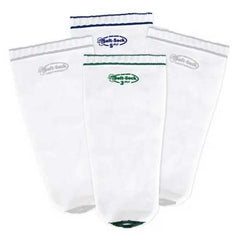
Prosthetic socks and any other textile components should be washed weekly and inspected for thinning, stretched fabric, or loss of shape. The foot shell and cosmetic cover should be checked for trapped dirt or moisture, and the suspension components should be assessed for suction loss or worn seals.
Monthly: Visual Checks of the Full System
Monthly—or whenever something seems off—users should conduct a visual scan of the entire prosthetic system. This includes the foot, socket, pylon, knee if present, cosmetic covers, and any visible hardware.
Blatchford advises users to visually check the prosthetic foot regularly and report signs of wear that may affect function, including significant wear or excessive discoloration from long-term UV exposure. The pylon and adapters should be checked for visible movement or looseness; the knee or ankle for noise, delayed response, or unusual resistance.
Changes in comfort, fit, activity level, or body weight should be reported to your prosthetist, as these can affect alignment and socket fit in ways that don’t always register as discomfort right away.
What manufacturers are equally clear about is that users should not attempt to tighten, lubricate, glue, modify, or realign components on their own unless specifically instructed. Blatchford explicitly warns against oiling, greasing, or using chemicals on knees or feet.
Every Six Months: Professional Inspection
Many manufacturer guidelines recommend professional inspection at approximately six-month intervals, though this varies by component type and your activity level.
Ottobock’s documentation for the Empower foot, for example, calls for a full inspection of the prosthetic foot for visible damage every six months or 500,000 steps—with additional inspection appointments recommended for highly active or heavier users. If this is you, defer to your prosthetist’s instructions.
WillowWood’s XtremityTT Socket System instructions specify that all components should be inspected and cleaned every six months, with extra attention when components have been exposed to dust, sand, pet hair, other contaminants, or salt water.
At these appointments, your prosthetist can check the socket fit, alignment, adapter screws, the pylon and suspension components, and replace worn soft goods, such as seals, valves, socks, sleeves, or liners, as needed.
Annual Maintenance and Required Service Intervals
Certain mechanical components need professional maintenance annually. One Blatchford instruction document advises that qualified personnel carry out routine checks at least once a year, including tightening screws, cleaning and reassembling parts, and replacing worn bearings or buffers that allow movement.
For electronic and microprocessor components, the required service intervals are more stringent and non-negotiable.
Ottobock’s Genium X3 documentation mandates service inspections every 12 months to ensure safety, operational reliability, warranty coverage, and electromagnetic compatibility (EMC).
Meanwhile, the Genium X4’s professional instructions specify a 24-month or 2.8-million-step interval, whichever comes first, with a note that this interval might be shortened by unusual strain or heavy use. Do note that missing a scheduled service can affect safety and warranty coverage.
Water, Sand, and Environmental Exposure
Not all prosthetic components are designed for water exposure, and making assumptions can lead to costly mistakes. Blatchford clearly recommends avoiding immersing sockets or liners in water. Additionally, WillowWood’s XtremityTT documentation highlights salt water, sand, pet hair, and other contaminants as requiring extra cleaning.
When using water-rated components in pools, salt water, or rain, ensure they are thoroughly rinsed and dried afterward. Salt and chlorine residues can cause material degradation over time, and liners and sleeves must be completely dry before reuse. If there is any uncertainty about whether a prosthesis is safe for activities like showering, swimming, or going to the beach, consult your prosthetist directly rather than making assumptions.
For microprocessor knees, powered feet, vacuum pumps, chargers, and remotes: keep them dry unless they are explicitly rated as water-resistant. WillowWood’s LimbLogic documentation specifies that the fob and charger are not water-resistant and that submersion will void the warranty.
When to Call a Prosthetist
Routine maintenance covers a lot, but some issues require immediate attention. Prosthetic users and caregivers should contact a prosthetist as soon as they observe the following:
-
Persistent skin breakdown, blistering, or sores that keep recurring;
-
Unusual noises, instability, or alterations in prosthesis movement;
-
Suspension loss that doesn’t resolve with cleaning;
-
Fit changes related to weight, activity level, or limb volume; and
-
Any alerts or warnings generated by electronic components.
Staying ahead of maintenance—and catching problems before they compound—is one of the most effective ways prosthetic users can protect both their device and their long-term mobility.
Quick Reference: Maintenance by Frequency/Circumstance
|
Frequency |
What to Do |
|
Every wear/daily |
Wash residual limb; inspect skin; clean liner; dry liner fully; inspect liner and sleeve; check socket comfort |
|
Hot days/heavy sweat |
Remove prosthesis when possible; dry limb and liner; check skin; adjust sock ply as needed |
|
Weekly |
Deep clean or disinfect liner/sleeve if allowed; wash textile components; inspect socks and sleeves |
|
Monthly |
Visual check of foot, socket, pylon, knee, covers, screws; listen for noises; check for cracks and suction loss |
|
Every 6 months |
Professional inspection is commonly recommended for many sockets and components; more frequently for high-activity users |
|
Annually |
Mechanical service may be required for some feet, knees, and components |
|
12-24 months/step count-based |
Required service interval for many microprocessor and electronic components; varies by model |
|
After water, sand, or salt exposure |
Clean and rinse if allowed; dry thoroughly; inspect; report issues to prosthetist |
Related Reading:
How to Wash a Prosthetic Liner
How to Create a Prosthetic Skin Care Routine
Prosthetic Liner Issues? Here Are Possible Causes, Solutions
Prosthesis Care 101: The Simple Daily Routine That Protects Your Skin, Device, and Mobility


