




















Prosthesis Care 101: The Simple Daily Routine That Protects Your Skin, Device, and Mobility


Reading Time: 6 minutes
___
Summary:
-
Daily prosthesis care—cleaning gel liners, prosthetic socks, and sockets with mild soap—reduces bacteria buildup and prevents skin breakdown.
-
Incomplete drying of prosthetic liners and residual limbs is the leading cause of odor, rashes, and fungal irritation.
-
Weekly inspection of suspension sleeves and seals can catch cracks or tears that silently compromise suction and fit.
-
Recurring skin irritation around the prosthetic socket is often a fit or pressure issue—consult your prosthetist asap
-
Sand, saltwater, and chlorine degrade prosthetic components over time; rinse and dry thoroughly after any outdoor or water exposure
___
As your prosthesis goes everywhere with you, it handles sweat, dust, heat, and the full grind (and dirt) of daily life. And with consistent care, it can keep doing that reliably for years. The good news is that a solid prosthesis care routine doesn’t require special products or a lot of time. Most clinical guidance from prosthetists and manufacturers boils down to four principles: clean what touches the skin, dry everything thoroughly, inspect often, and stay away from harsh chemicals.
Here’s how to put that into practice.

The Daily “3-Part” Routine (5-10 minutes)
1. Wash and dry your residual limb.
Your skin health is the foundation of everything related to your prosthesis. Washing at least once daily with a mild, gentle soap removes bacteria and reduces the risk of irritation, especially if you tend to sweat. The step most people often skip is drying completely. Trapped moisture underneath a liner or in skin folds is one of the most common causes of rashes and fungal issues.
A practical approach many people swear by is showering at night. That gives your skin extra time to fully dry before you don your prosthesis in the morning.
2. Clean your liner, socks, and soft interfaces
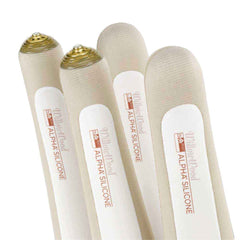
If you wear a gel liner, wash it daily with mild soap and warm water, then rinse thoroughly. Soap residue left on a liner can irritate the skin and degrade the material over time. Towel-dry it, then let it air-dry fully before the next use.
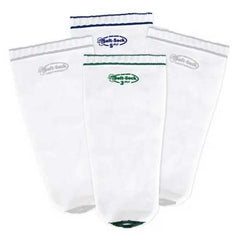
If you wear prosthetic socks, wash them regularly and consider buying multiple socks to rotate them. Remember: Anything that sits between your skin and socket can hold sweat and bacteria.
3. Wipe down sockets and hard surfaces
For the socket and other external surfaces, a damp cloth with mild soap is usually all you need. Avoid solvents like acetone, which can damage thermoplastics and finishes. For upper-limb devices, a disinfecting wipe followed by a damp cloth is a quick and effective way to remove daily grime.
A Word About Drying
Cleaning without truly drying is one of the most common care mistakes. Liners and sleeves should be towel-dried first, then allowed to air-dry fully before the next wear. Putting a liner on while it’s still damp (or donning onto skin that hasn’t fully dried) is a sure way to invite irritation, odor, and skin breakdown.
If you’re a heavy sweater or live in a humid climate, keeping two liners in rotation makes a real difference. One dries completely while the other is in use, so you’re never rushing the process or cutting corners on something that genuinely affects your skin health.
Weekly: Deep-Clean and Inspect
Once a week (or whenever you feel your prosthesis needs it), give your suspension sleeves and seals a more thorough hand-wash, then hang them to dry without stretching or pulling aggressively. While you’re at it, take the time to inspect everything for small tears, worn edges, or abrasions. A minor crack in a sleeve can quietly undermine suction or vacuum suspension long before it becomes obvious.
However, resist the urge to overdo disinfecting. Soaking components or using aggressive chemicals can shorten the life of foams, elastomers, and fabrics. Follow your prosthetist’s specific guidance for your setup.
Odor, Irritation, and What They’re Telling You
Persistent odor usually comes down to biofilm—sweat and bacteria trapped in warm, enclosed spaces. The fix is rarely complicated: daily washing and complete drying solve most cases.
If you’re dealing with redness, itching, or recurring skin irritation, run through this checklist before assuming the worst:
-
Is there soap residue on your liner?
-
Is everything fully dry before you don your prosthesis?
-
Does the liner or socket have rough edges, cracks, or worn areas?
If irritation continues after addressing these, talk to your prosthetist. Skin problems are often fit or pressure issues in disguise, and a small adjustment can make a significant difference. Don’t wait it out.
Water, Dust, and the Outdoors
Not all prostheses are built for the same environments, so it pays to know what yours can handle. If your components are water-rated or you use a waterproof cover, you may still need to rinse and dry thoroughly after exposure. Sand, saltwater, and chlorine are particularly hard on materials over time, even on devices designed for wet conditions.
Carbon fiber and composite components are generally durable, but prolonged water exposure isn’t always your friend. If things get wet, dry them completely before reuse. When in doubt about what your specific components can tolerate, your prosthetist is the right person to ask.
Build a Simple Care Kit
Consistency is easier when your supplies are right where you need them. So, keep a small kit in your bathroom, by your bedside, or in your gym bag—wherever you actually do your daily care routine. The essentials are straightforward: a mild, fragrance-free soap; a clean towel and a microfiber cloth; a spare liner or sock if you have one; a small brush or soft cloth for hard-to-reach crevices (ask your prosthetist what’s safe for your components); and a pack of prosthetic-safe wipes for days when you’re short on time.
Having everything easy to reach and in one place removes the friction that turns “I’ll do it later” into skipped care days.
When to Call Your Prosthetist
Some things need prompt attention, not “I’ll mention it at my next appointment” attention. Contact your care team if you notice new skin breakdown, blisters, or an open area; sudden changes in fit or suction; cracks, delamination, or loose hardware; or any component that got soaked when it shouldn’t have.
The Bottom Line
Good prosthesis care is consistent. A short daily routine protects the one thing you truly can’t replace: your skin. Clean daily, dry completely, inspect regularly, and reach out to your prosthetist when something doesn’t seem right. Those small habits add up to fewer surprises, better comfort, and more confident movement through your day.
Related Reading:
What Your Residual Limb Skin is Trying to Tell You (Before It Gets Worse)


