


















Why Your Prosthetic Liner Itches in Winter and How to Fix It


Reading Time: 5 minutes
___
Summary:
-
Prosthetic liners often cause winter itching due to dry skin and sweat buildup
-
Cold air and low humidity weaken the residual limb’s protective barrier
-
Tight liners trap moisture, increasing friction and skin irritation
-
Common triggers include low oil production, poor circulation, and harsh soaps
-
Solutions: gentle cleaning, overnight moisturizing, liner breaks, and fit checks
___
If your prosthetic liner feels itchier in winter, you’re not imagining it. Many people, especially those with limb loss, deal with dry skin in cold weather. But you don’t have to accept that this is simply the way things are and suffer throughout the season. Understanding what happens within your liner and how to care for your skin during colder months can help you stay comfortable and protect your residual limb over time.

Why Winter Affects Residual Limb Skin
Cold outdoor air and heated indoor environments significantly reduce humidity, which dries out the skin and weakens its natural barrier, called the hydrolipid film. The hydrolipid film is a thin layer of water and lipids that keeps skin flexible, nourished, and resilient.
Certain areas of the body are particularly vulnerable to this dryness. For example, skin with reduced circulation and fewer sebaceous (oil-producing) glands struggles to retain moisture in winter. This is because when sebaceous activity slows, fat production decreases, which means there are fewer nutrients available to maintain the hydrolipid film.
For amputees, the residual limb is especially at risk. Its skin often has altered circulation, fewer oil glands, and increased sensitivity compared to other body parts, making it more susceptible to dryness, tightness, and itching in winter.
How Prosthetic Liners Contribute to the Issue
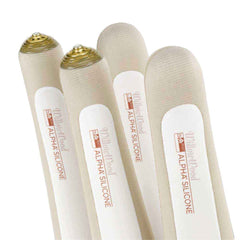
Prosthetic liners are designed to fit tightly to provide cushioning and support. While these features are vital for comfort and stability, they also create a warm, enclosed microenvironment on the skin.
Even during winter, you can accumulate sweat inside the liner. When sweat cannot evaporate, it becomes trapped, causing moisture to build up on your already-dry skin. This combination of dryness and trapped moisture increases friction, further damaging the skin barrier and causing itching, redness, or irritation.
Furthermore, moving throughout the day adds more stress to your residual limb skin. Dry winter skin is less elastic, so repeated rubbing between the liner and residual limb can cause discomfort or small cracks, increasing the risk of infection.
Common Winter Triggers for Liner-Related Itching
Liner-related itching can be attributed to several factors. One is reduced oil production, which occurs because fewer sebaceous glands produce less natural lubrication for residual limb skin. With reduced oil production, the skin’s hydrolipid film weakens, limiting its ability to retain moisture.
As the hydrolipid film weakens, the skin becomes more susceptible to the effects of trapped heat and sweat, leading to increased friction as the skin becomes stiffer and drier, making it more vulnerable to rubbing.
Additionally, harsh soaps or residues from regular body cleansers can strip skin of its natural oils and irritate liner-covered areas.
How to Fix It: Winter-Smart Residual Limb Care
The key to stopping winter itch is supporting your skin barrier while minimizing irritation inside the liner.
1. Clean Gently Every Day
Daily gentle cleaning removes sweat, bacteria, and dead skin that can worsen itching. Avoid using harsh soap as it can strip away the skin’s natural oils, especially in winter.
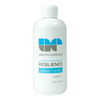
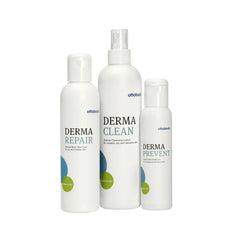
Instead, use the Amputee Essentials Prosthetic Cleanser, a gentle, pH-balanced, soap-free spray designed specifically for this purpose. It cleans both your residual limb and prosthetic liner without drying the skin, helping retain moisture and promote a healthier skin environment during colder months.
2. Moisturize at the Right Time
Moisturizing is vital in winter as sebaceous gland activity decreases. Applying a rich moisturizer, like the Amputee Essentials Ultra-Rich Prosthetic Moisturizer, at night helps rebuild the skin’s hydrolipid film and maintain elasticity. Its ultra-rich, non-greasy formula hydrates dry skin deeply without leaving residues that could affect liner fit the next day.
Furthermore, applying this moisturizer at night allows your skin to absorb nutrients and repair itself while you sleep.
Tip: Avoid applying moisturizer right before putting on your liner to prevent slipping or increased friction.
3. Let Your Skin Breathe
Take short breaks during the day to remove your prosthesis and liner whenever possible. Even a few minutes lets trapped heat and moisture escape, reducing irritation and aiding skin recovery.
4. Monitor Fit Throughout the Season
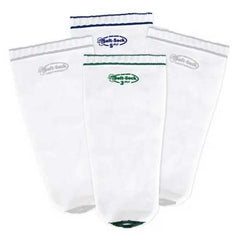
Cold weather can change residual limb volume due to circulation shifts. A liner that’s too tight or too loose increases friction and itchiness. If discomfort persists, consult your prosthetist to adjust sock ply or liner thickness for seasonal needs.
The Bottom Line
Winter itch indicates that your residual limb needs additional support. During winter, decreased oil production, changes in circulation, and the enclosed setting of a prosthetic liner can all negatively impact skin health. By incorporating the tips above, such as using gentle cleansers, targeted moisturizing, and specialized liner-care products designed for prostheses, you can protect your skin, minimize itching, and stay comfortable throughout the season.
Related Reading:
Help Me Choose: Salves, Balms, and Moisturizers
Winter Skin Woes: Essential Skincare Tips for Amputees
No Off-Season: Layering Tips for Amputee Runners in Cold Weather


