




















Chlorine, Saltwater, and Your Residual Limb: Skin Care Tips for Amputees


Reading Time: 6 minutes
___
Summary:
-
Chlorine and saltwater strip residual limb skin’s protective barrier, leaving it vulnerable right before it goes back into a liner.
-
Drying the limb completely before redonning is non-negotiable; damp skin in a socket causes chafing and abrasion.
-
Moisturizing the residual limb immediately before donning a prosthesis can reduce liner grip, but moisturizing the rest of the body after a swim can help the skin barrier.
-
Doing a mirror skin check before and after swimming can help catch skin irritation early.
-
Recurring irritation after swimming often signals a socket fit issue, not just a skin issue.
___
Days at the pool or the beach can challenge your skin barrier. Chlorine, a potent disinfectant in pools, strips away the skin’s natural oils, while saltwater, although mildly antimicrobial, can cause dehydration due to its high salinity. Both may leave your skin—especially on your residual limb—feeling dry, tight, or irritated, which can make it uncomfortable to wear your prosthesis.
To protect your residual limb skin and ensure that your mobility isn’t compromised after a swim, here’s what you need to do before, during, and after spending time at the pool or the beach.

Pay Attention to the Skin Barrier
The skin barrier is your body’s first defense against water loss and external irritants. When chlorine or saltwater disrupts it, the result can be transepidermal water loss (TEWL), redness, flare-ups of conditions like eczema or psoriasis, and greater vulnerability to sun damage or rashes.
Inside a prosthetic liner, a compromised skin barrier has less room to recover; it’s under pressure, friction, and reduced airflow for hours at a time.
Before You Swim: Prep the Skin
Start with a quick skin check. Use a hand mirror to check all sides and angles of your residual limb for red marks, hardened skin, cracks, or anything out of the ordinary before you get in the water. This ensures you have a clear baseline for comparison afterward.
Rinse with fresh water first. Wetting your skin with clean water before entering a pool or ocean reduces how much chlorine or salt it absorbs.
A light barrier cream can help. A lightweight, emollient-rich moisturizer applied well ahead of time (not minutes before) creates a semi-occlusive layer that minimizes direct contact with saltwater or chlorine. Choose a product with ceramides, hyaluronic acid, dimethicone, or squalane.
Apply sunscreen. Sunscreen is a daily must-have, but it’s even more important at the pool or the beach. Any broad-spectrum, water-resistant sunscreen will do, but if you have sensitive skin or conditions such as eczema, psoriasis, or rosacea, switch to a mineral sunscreen.
While You’re in the Water
Limit your time. Swimming in 30- to 60-minute intervals limits the cumulative drying effect of chlorine and salt.
Reapply sunscreen. When you’re taking a break from swimming, take a moment to reapply your sunscreen. Dermatologists recommend reapplying every two hours.
Skip shaving beforehand. Freshly shaved skin stings and irritates more easily, and this doubles as standard residual limb advice—a prosthetic socket rubbing against stubble can push hair inward, which is painful and can lead to infection. Shave the night before, if at all, not the morning of.
Plan your timing. If you know you’ll be putting your prosthesis on shortly after swimming, allot enough time afterward for a full rinse-dry-inspect routine rather than rushing straight from the water into your liner.
After Swimming, Before Redonning: The Critical Window
Rinse immediately. The longer chlorine or salt remains on your skin, the more it dries and causes irritation. Be sure to rinse thoroughly with lukewarm water—avoid hot water—immediately after swimming.
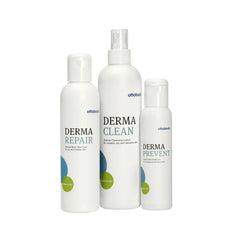
Wash with a gentle, pH-balanced cleanser. A soap-free, fragrance-free cleanser formulated for amputees removes dirt, sweat, and salt without stripping the skin’s natural moisture. It also rinses better than regular bar soap, which can leave a film under a liner.
If you’re looking for a gentle, prosthesis-safe cleanser, browse our Prosthetic Cleansers.
Dry completely. This step isn’t optional, as it might be for skin in other areas of the body. Make sure your residual limb is completely dry before it goes anywhere near a liner. A damp limb inside a socket leads to chafing and surface abrasions from the pressure of wearing it.
Moisturize, but mind the timing. Skin on the rest of your body may benefit from a post-swim moisturizer. But prosthetic lotions and moisturizers are best applied at night or another time when you won’t be wearing your prosthesis. This is because applying a lotion right before donning a liner can reduce skin tension, allowing the liner to slip rather than grip. If you’re swimming and then heading straight back into your prosthesis, it’s usually safer to skip the moisturizer until evening, or apply a small amount and allow it to fully absorb before donning. Ask your prosthetist which of your liner materials tolerate moisturizer closest to donning, since this varies by liner.
If you’re looking for a prosthesis-safe moisturizer that’s also gentle on your residual limb skin, check out our collection of Prosthetic Moisturizers.
Inspect before you wear your prosthesis. Look for red marks that don’t fade after 10 to 15 minutes, hardened skin, cracks, or rashes. If you notice anything beyond what you saw during your pre-swim check, it’s best to address the issue immediately, before the limb goes back under pressure.
When to Call Your Prosthetist or Provider
Recurring irritation around the prosthetic socket is often a fit or pressure issue rather than something a skin care routine alone will fix. If chlorine or saltwater exposure is consistently leaving your limb too irritated to comfortably wear your prosthesis afterward, talk to your prosthetist and/or dermatologist about it. It might be your skincare routine, liner material, or both.
Related Reading:
What Your Residual Limb Skin is Trying to Tell You (Before It Gets Worse)
Prosthesis Care 101: The Simple Daily Routine That Protects Your Skin, Device, and Mobility
Why Prosthetic Salve Belongs in Every Amputee’s Skin Care Routine
Caring for Your Skin: Managing Prosthetic-Related Contact Dermatitis


