

















Why Summer Heat and Sweat Put Prosthesis Users at Risk


Reading Time: 10 minutes
___
Summary:
-
Trapped sweat inside prosthetic sockets raises skin and fit risks in summer heat
-
Moisture buildup softens residual limb skin, loosens suspension, and increases infection risk
-
Heat exhaustion symptoms often get mistaken for ordinary summer fatigue
-
A daily routine of clean, dry skin, prosthetic antiperspirant, and cooling breaks cuts the risk
-
Prosthetists can adjust socket fit when sweat changes how a liner feels
___
Hot weather is uncomfortable for most people. For prosthetic users, it’s more than that. A warm day can mean sweat trapped inside a prosthetic liner, residual limb skin softening from moisture, a prosthetic socket that suddenly feels loose, friction, odor, and, in some cases, a risk of heat exhaustion.
Sweating itself isn’t the problem; it’s simply how the body cools down. The problem starts when that sweat has nowhere to go. A residual limb covered by a liner, sleeve, sock, or socket for hours at a time doesn’t get the airflow that uncovered skin gets, so moisture builds instead of evaporating. Over the course of a summer, that buildup can turn into a skin, fit, or safety issue.
Knowing the difference between normal (albeit annoying) sweat and sweat that’s a warning sign is important, especially if you want to stay active through the warmer months.

Why Heat Feels Different with a Prosthesis
A prosthetic socket’s close fit is what makes a prosthesis stable. But that same fit limits airflow. And an enclosed residual limb doesn’t regulate its own temperature the way exposed skin does.
The result is a cycle that many prosthesis users will recognize: heat brings sweat, sweat brings slipping, slipping brings friction, and friction brings skin irritation. As the day wears on, the socket then starts to feel different—pistoning, rubbing at the brim, new pressure points, a liner that’s gone from secure to damp and unstable.
Normal sweat can be simply annoying. But left unaddressed, trapped sweat can lead to skin breakdown, blisters, rashes, odor, or infection. Developing any of these means stepping back from prosthesis use until the skin heals.
So, heat safety isn’t limited to comfort; it also means protecting your mobility and independence.
Signs Sweat Is Affecting Your Prosthetic Fit
While sweating more in summer is normal, it becomes a problem when it starts changing your prosthetic fit or skin condition.
Here are the signs worth paying attention to:
-
Your prosthesis feels loose or unstable
-
The prosthetic liner slides or twists more than usual
-
You feel rubbing, pinching, or burning
-
Skin looks red, shiny, swollen, or irritated after the liner comes off
-
Blisters, open areas, bumps, or rashes appear
-
Odor is stronger than usual, even after cleaning
-
Your prosthesis needs constant adjusting throughout the day
Responding early to any of these signs ensures that a minor irritation doesn’t become a wound.
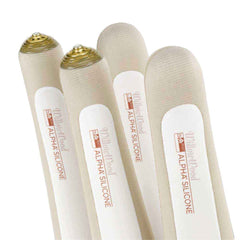
Looking for products that help control sweating in the socket? Browse our Sweat Control collection.
Heat Exhaustion vs. Normal Summer Fatigue
One of the easiest mistakes to make in hot weather is writing off heat illness as ordinary tiredness. Heat exhaustion develops when the body loses too much water and salt through sweating, especially during exercise, yard work, travel, beach or theme park days, or even routine errands in a heat wave.
Warning signs include heavy sweating, headache, dizziness or lightheadedness, nausea, weakness or unusual fatigue, muscle cramps, irritability, thirst, cool, clammy skin, a fast pulse, and reduced or darker urine.
If you use a prosthesis, you get an additional clue: the prosthesis suddenly feels harder to tolerate. This is because overheating and dehydration can alter limb volume, throw off balance, and make skin more vulnerable to friction.
If these symptoms show up, the first thing you need to do is stop whatever you’re doing at the moment, get to a cooler place or into the shade, remove unnecessary layers, drink fluids, and cool down with an AC, a fan, cool cloths, or a cool shower. Symptoms that worsen, including vomiting, or persist for more than an hour, require medical attention.
Heat Stroke Is an Emergency
Heat stroke is the most serious heat-related illness and requires emergency care. Call emergency services for confusion, fainting or loss of consciousness, seizure, very high body temperature, hot or flushed skin, rapid breathing, a racing heart rate, severe headache, or symptoms that are getting worse instead of better.
Don’t wait to see if your (or someone else’s) symptoms improve on their own. While medical help is on the way, move somewhere cooler and start cooling the body with whatever is available—cool cloths, shade, fans, or cool water.
Skin Risks: Moisture, Friction, and Bacteria in a Socket
Sweat inside a socket doesn’t evaporate the way it would on exposed skin. It sits against the limb for hours, softening the outer layer of skin and making it more fragile—which means even a well-fitting socket can start to irritate.
That same trapped moisture is also what lets odor and bacteria build up faster. So, when odor gets worse in summer despite a daily cleaning routine, it’s often less about hygiene and more about heat, moisture, and airflow.
Common summer skin issues include chafing at the brim, heat rash, blisters, folliculitis, fungal irritation, pressure spots, skin breakdown from repeated rubbing, and stronger odor. The goal for a summer routine comes down to three things: reduce excess moisture, protect the skin barrier, and keep the prosthetic interface clean.
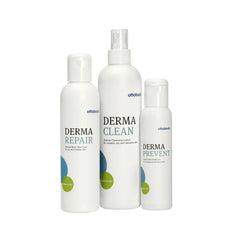
Chafing and other skin concerns? Look through our Prosthetic Skin Care and Comfort collection.
Building a Hot-Weather Prosthetic Routine
The right routine depends on amputation level, socket design, liner material, skin sensitivity, activity level, and climate—but the habits below can help.
Start the day with clean, dry skin. Donning a prosthetic liner over damp skin traps moisture from the first hour. If you shower in the morning, give your skin time to fully air-dry first. Skip heavy lotions right before donning unless your prosthetist has cleared a specific product. This is because some lotions affect liner grip or material compatibility.
Use antiperspirant carefully. Some prosthetic users do well with an antiperspirant made for residual limb use, applied to clean, dry skin and left to dry before the liner goes on. Skip it on broken, irritated, or freshly shaved skin unless your clinician says otherwise, and stop at the first sign of burning or rash.
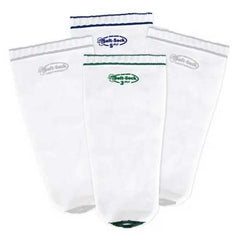
Carry a sweat management kit. A clean towel, extra prosthetic socks, skin-safe wipes, a spare liner if practical, a small bag for damp items, water or an electrolyte drink, and any clinician-approved skin product. The goal is to have options before sweat causes slipping or skin damage.
Schedule dry-out breaks. On hot days, build in short breaks to remove your liner, check your limb, and let everything dry out and cool down. This matters most before long walks, outdoor events, travel days, sports, or yard work. Waiting until your skin hurts means you’ve waited too long.
Check your skin more often. Look for redness that doesn’t fade, tender spots, blisters, cuts, rash, swelling, or drainage. For any hard-to-see areas, a mirror can help. Any new or unusual change is worth taking seriously, and persistent redness, open skin, or increasing pain is worth a call or an appointment with your prosthetist.
Why You Need to Lock into Hydration
Our hydration levels influence our energy, body temperature, cramping, dizziness, and overall heat tolerance. Sipping fluids throughout the day works better than waiting until thirst sets in, and heavy sweating or hours outside may call for electrolytes alongside water. Urine color and frequency are useful indicators: dark urine or long gaps between bathroom trips can signal dehydration.
If you’re managing heart, kidney, or blood pressure conditions, you should follow your clinician’s specific guidance on fluids and electrolytes since some medications affect heat tolerance and sweating.
Pacing Outdoor Activity When Wearing a Prosthesis
Since wearing a prosthesis demands more energy from your body, timing your outdoor activities well is important. Scheduling outdoor activity for early morning or evening, using shade, taking breaks before exhaustion sets in, and choosing breathable clothing all help.
If you’re traveling this summer, make sure to build in rest stops, whether you find yourself in airports, theme parks, at the beach, or at festivals. Knowing where the shade, bathrooms, or air conditioning are located will definitely make those days easier.
When to Call the Prosthetist
You don’t have to live with a changing prosthetic socket fit due to summer sweat. Your prosthetist can definitely help with socket adjustments, liner selection, prosthetic sock ply strategy, or suspension changes.
It’s worth scheduling an appointment if your prosthesis loosens every time sweat sets in, blisters or sores keep recurring, prosthetic sock changes are needed constantly to maintain fit, the prosthetic liner is worn or retaining odor, walking feels unstable in hot weather, or you’re skipping activities because of sweat or irritation. A small adjustment can prevent a much bigger problem.
Summer Heat Tips for New Amputees
Summer can be harder to navigate early on, while your residual limb skin is still adapting to pressure, friction, heat, and liner wear. Some mild redness is part of that adjustment—but pain, open skin, blisters, drainage, or worsening irritation are not things to wait out.
While it’s important to learn the limits of a new prosthesis, protecting your residual limb skin comes first.
A Simple Heat Safety Checklist
Before heading out on a hot day, check the following:
-
Is my skin clean and dry before donning?
-
Do I have water with me?
-
Is there a way to manage sweat if the liner gets damp?
-
Will I have access to shade or air conditioning?
-
Am I planning breaks before I need them?
-
Do I know the warning signs of heat exhaustion?
-
Is the prosthesis fitting securely today?
-
Have I checked my skin recently?
Checking these takes less than two minutes, but it can save hours, even days, of discomfort.
The Bottom Line
Sweat is part of summer, but for prosthetic users, it deserves more attention and planning. Trapped sweat affects skin health, fit, odor, and safety. And because wearing a prosthesis requires more energy expenditure, prosthetic users are at greater risk of sweating more or developing heat-related illness.
The proactive approach holds up best: clean, dry skin; early moisture management; cooling breaks; steady hydration; regular skin checks; and a prosthetist on call when fit issues arise. None of that means giving up summer activities; it just means staying ahead of the heat.
Related Reading:
What a Poorly Fitting Prosthetic Does to Your Body Over Time
What Causes Prosthetic Odor and How to Prevent It


