



















Hot-Weather Running With a Prosthesis: 4 Tips to Stay Safe and Comfortable


Reading Time: 6 minutes
___
Summary:
-
Heat and hydration swings can swell or shrink the residual limb, changing prosthetic socket fit mid-run.
-
Prosthesis users burn 10-40% more energy walking than able-bodied walkers. Running in hot weather will demand even more.
-
Trapped sweat at the liner-skin interface raises blister, chafing, and liner-slippage risk.
-
Temperature-regulating liners like WillowWood’s SmartTemp and moisture-wicking socks cut heat-related skin problems.
-
Sock-ply adjustments and moisture-wicking gear help manage mid-run fit changes.
___
Summer heat slows all runners, but those with prostheses face additional issues: sweat quickly accumulates in the liner and socket, and swelling or softening of the residual limb mid-run can disrupt the fit exactly when stability matters most. The good news is that there are things you can do to ensure your safety and comfort when training in hot weather.

Hydrate Early and Often to Maintain a Stable Fit
Drink before you feel thirsty and opt for electrolyte drinks during your hottest runs instead of just water. Hydration is especially important for prosthesis users because residual limb volume changes with heat and fluid levels, affecting how your socket fits mid-run. Warmer weather can cause swelling, while cooler conditions might lead to shrinkage, both resulting in socket discomfort, poor fit, and decreased stability—many users report a tight, pinching socket on hot days.
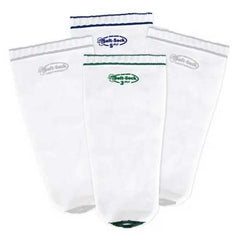
Additionally, sock ply or thickness influences the snugness of the fit, so if you notice your socket loosening or tightening during a hot run, adjusting the number of socks (instead of enduring discomfort) is often the best solution. Carrying an extra prosthetic sock or two along with water should be a standard part of your hot-weather gear.
Adjust Your Pace Expectations
Heat slows everyone down, and this impact is especially significant for runners with a prosthesis. Walking with a prosthesis typically requires 10-40% more energy than without, meaning your body expends extra effort just to regulate temperature even before heat becomes an issue.
Incorporating slower paces, additional walk breaks, or shorter distances on hot days isn’t a setback; it’s a necessary heat-pacing adjustment that every runner should make—especially for bodies already working harder per mile.
Build In Rest Breaks and Check Your Socket
Taking short breaks during a hot-weather run doesn’t negate your training; pausing to cool down, hydrate, or stretch at the halfway point during an out-and-back is a sensible way to run safely in the heat.
Sports medicine researchers use wet bulb globe temperature (WBGT)—a heat-stress index that considers humidity and radiant heat, not just air temperature—to determine appropriate rest duration and frequency in hot conditions. For recommended break times and intervals, refer to the table below. Keep in mind, however, that this guideline was designed for school athletics and not specifically for road running. Nonetheless, it can serve as a general reference.
|
WBGT |
Guidance |
|
Below 79.9°F |
Normal activity—at least three separate rest breaks per hour, minimum 3 minutes each |
|
80.0–84.5°F |
At least 3 breaks per hour, minimum 5 minutes each |
|
84.6–87.5°F |
20 minutes of rest distributed across each hour; cap activity at 2 hours |
|
87.6–89.9°F |
20 minutes of rest per hour; cap activity at 1 hour |
|
Above 89.9°F |
No outdoor activity—wait for a cooler WBGT |
We recommend taking the suggested break frequencies above even when you don’t feel like you need a rest. This is because for prosthesis users, taking a rest break has multiple benefits.
Sweat and heat tend to accumulate quickly at the skin-liner interface, and this moisture is a common cause of blisters, chafing, and liner slippage, especially in hot weather. Managing heat and sweat is a significant challenge for those with limb loss and limb difference, as liners made from insulating materials can trap moisture and cause slipping during warm or active periods, risking skin damage. A quick pause allows you to inspect for hot spots before they develop into blisters, wipe the liner, or give the skin a moment to breathe.
Dress and Gear Up for the Heat
Using lightweight, light-colored, breathable fabrics can help most runners stay cooler. For prosthesis users, adding a few items to your hot-weather gear is beneficial:
-
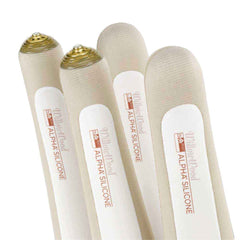
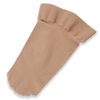
Moisture-wicking liner socks. Wearing a thin, moisture-wicking sock beneath a silicone liner pulls sweat away from the skin and can be changed midday to keep the residual limb dry.
-
Evaluate your liner and socket configuration. Perforated liners have been proven to reduce sweating-related limb problems and missed activity days versus standard liners. Some liners are designed specifically for heat management, like WillowWood’s SmartTemp liners, which incorporate temperature-regulating materials. Furthermore, some prosthetists offer perforated options to improve moisture escape. While these aren’t quick fixes during activity, discussing them with your prosthetist before peak summer training is advisable.
-
Prosthetic covers and shorts. Shorts allow easier inspection of your socket and skin mid-run compared to pants, and a prosthetic cover can protect the device when running on rough terrain.
The Bottom Line
Heat safety for prosthesis users involves more than just staying cool; it also safeguards the fit of the prosthetic socket and the skin on the residual limb, which is essential for running. Rest breaks, hydration, slower paces, and heat-specific gear are common strategies all runners use in summer, but for prosthesis users, these serve a dual purpose: they help catch hot spots early before turning into blisters and accommodate the swelling, softening, and shifting fit of the residual limb, unlike a sound limb.
Building these habits early into your routine means that even during the hottest weeks of training, you can manage discomfort and fit. No need to sit the summer out.
Related Reading:
Why Summer Heat and Sweat Put Prosthesis Users at Risk
A Beginner’s Guide to Amputee Running: Improving Running Form


