

















What Your Residual Limb Skin is Trying to Tell You (Before It Gets Worse)


Reading Time: 6 minutes
___
Summary:
-
Residual limb skin signals fit and comfort issues long before they escalate
-
Daily two-minute skin checks can catch pressure points, moisture buildup, and material reactions early
-
Stress and poor sleep amplify the heat, friction, and moisture that challenge prosthetic skin
-
Persistent redness, softened skin, or recurring rashes often point to socket fit—not just surface-level irritation
___
Our skin is our first line of defense against environmental stressors, and for prosthetic users, it’s also the best indicator of what’s happening inside the prosthetic socket. But unlike the skin on the rest of the body, residual limb skin carries an unusual burden. While it isn’t meant to carry heavy loads, it serves as a load-bearing interface between your body and a socket system that generates heat, pressure, friction, and moisture—all day long. This combination makes it uniquely revealing.

What shows up on the surface often reflects what’s happening both at the interface level (fit and materials) and internally (stress, sleep, and overall recovery). So, it’s worthwhile to pay attention to what it’s telling you before small signals become bigger setbacks.
What Your Skin May Be Communicating
The skin on the face and body sends reliable signals that something needs to be addressed, such as a breakdown or a dry patch. The residual limb skin, on the other hand, tends to signal in more specific ways:
-
Persistent redness in one spot usually points to a pressure or fit issue
-
Shiny, irritated patches often come from friction and shear at the socket wall
-
White, softened skin suggests too much moisture is being trapped
-
Itchy or rashy areas may indicate a reaction to liner, sock, or adhesive materials
-
Small tender bumps are commonly linked to folliculitis, often worsened by sweat and friction
-
Cracks, warmth, or any drainage—this is your cue to stop wearing your prosthesis and reach out to your care team
One thing many people underestimate: even a well-fitting socket can shift as your limb volume changes throughout the day. Those daily fluctuations are one of the most common contributors to recurring skin irritation.
The Stress-Skin Connection
There’s real evidence that stress and mental load can influence inflammation and how quickly the body bounces back. For prosthesis users, that relationship often shows up in practical ways: stress increases perspiration and physical tension, which means more friction inside the socket. Poor sleep slows tissue recovery and makes skin more reactive. And anxiety around discomfort or fit can lead to fewer air-out breaks and longer time in a damp liner than is ideal.
This isn’t about mental state causing skin issues in isolation; it’s about recognizing that a demanding day or week can amplify the conditions—heat, moisture, and inflammation—that already challenge residual limb skin.
So, what does this mean for you? During high-stress periods, try to build in more frequent skin checks, more ventilation breaks, and a lower threshold for calling your prosthetist if a familiar spot keeps flaring up.
A Two-Minute Daily Check
The most valuable habit you can build is a brief, consistent look at your residual limb at the end of each day. Scan for any new redness, shininess, blistering, or bumps. Note the location—if the same spot is showing up day after day, that pattern usually points to a fit issue or pressure that needs addressing. Track whether the irritation appears after a specific activity or after extended time in the socket, as the answer can help guide the conversation with your prosthetist.
If you have reduced sensation in your residual limb, check more frequently. It’s easy to miss early signs of skin stress when you can’t feel them developing.
One more important note: if you notice a pressure point, resist the instinct to “pad” on top of the area to continue wearing your prosthesis. Padding in that situation typically increases pressure rather than relieving it, and can make things worse more quickly. Depending upon the pressure point, adding padding around the area may create a pocket of relief. As always, consult with your prosthetist.
Supporting Your Skin Day to Day
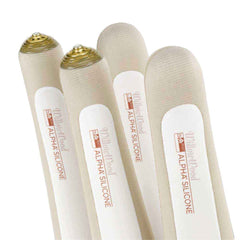
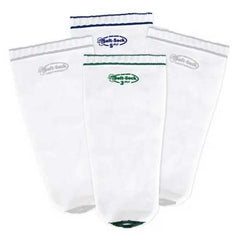
A few fundamentals go a long way. Wash your residual limb daily with a mild, unscented soap and dry it thoroughly before re-donning your prosthesis. Clean your liners and socks regularly as well—what touches your skin matters as much as the skin itself.
If perspiration is a consistent challenge, scheduled air-out breaks and ensuring the limb is fully dry before re-donning can make a meaningful difference. Your clinician may also have recommendations for managing excess moisture, so it’s worth raising if it’s ongoing.
For recurring itching or rash, consider your materials. Liner compounds, adhesives, and socket materials can cause sensitivity reactions in some people, and sweat and friction can intensify those responses. If a rash keeps returning, a pattern-based conversation with your clinician is more productive than cycling through different creams.
When to Stop Wearing the Prosthesis and Seek Support
A useful rule of thumb: protect your long-term ability to wear your prosthesis comfortably by acting early. If skin is breaking down, stop wearing your prosthesis and contact your prosthetist or care provider. What starts as a small area of concern can progress to something that takes weeks to fully settle—and extended time out of the socket has its own consequences.
Spreading redness, warmth, discharge, fever, or rapidly worsening discomfort all warrant prompt medical attention.
The Bottom Line
Healthy residual limb skin comes down to two things working together: respecting the interface (fit, friction, moisture, materials) and supporting your body’s recovery (sleep, stress management, routine air-out breaks). A daily, consistent check—not a complicated regimen—is what bridges the two.
Related Reading:
Skin Conditions After Limb Loss: What You Need to Know
Caring for Your Skin: Managing Prosthetic-Related Contact Dermatitis
Skin Care That Supports Prosthetic Comfort — and Your Confidence


