




















How to Wash Your Prosthetic Liner: Keep It Comfortable, Grippy, and Skin-Friendly


Reading Time: 5 minutes
___
Summary:
-
Prosthetic liners collect sweat, oils, and bacteria daily, but regular washing protects skin and maintains suspension
-
Wash inside-out with mild, pH-neutral soap, rinse thoroughly, and air-dry overnight
-
Rotate two prosthetic liners daily for better hygiene, odor control, and longer liner life
-
Avoid bleach, high heat, and harsh solvents as they degrade liner materials fast
-
Replace your prosthetic liner if you notice cracks, persistent odor, or recurring skin breakdown
___
Your prosthetic liner is pressed against your skin all day, collecting sweat, oils, dead skin cells, and whatever else your day brings. If left uncleaned, that buildup leads to odor, reduced suspension, and skin irritation. The fix is simple: incorporate a consistent wash routine that takes just a few minutes.
Here’s what that looks like, plus the mistakes that slowly shorten a liner’s life.

Why cleaning your liner regularly matters
A prosthetic liner isn’t just padding; it’s also your suspension interface. When the gel or silicone side gets dirty, it creates a chain reaction. Residue mixed with sweat and friction can trigger redness, itching, and skin breakdown, especially at the trim lines, behind the knee, and over bony areas. Oils and soap film reduce grip, causing pistoning and slipping. And over time, grime combined with heat and harsh cleaners degrade the liner material itself.
Many manufacturers, including Össur and Ottobock, explicitly recommend daily cleaning and thorough rinsing to prevent the accumulation of residue.
The daily wash routine
Step 1: Roll it off carefully. Resist the urge to yank the liner from the top edge. Rolling it off reduces stress on the fabric bonding and trim edges, which extends its lifespan.
Step 2: Turn it inside out. The gel or silicone surface (the side that touches your skin) needs the most attention. Turning the liner inside out gives you direct access to it.
Step 3: Wash with lukewarm water and mild soap. Most manufacturers, including Ottobock and Össur, recommend using a mild, pH-neutral soap and daily cleaning. Dish soap can also be an option, as Ottobock notes in some of its care instructions.
A word on antibacterial soap: advice is mixed. Some clinicians and prosthetic users swear by it; some manufacturers are against it. The safest rule is to follow your liner manufacturer’s instructions first, then your prosthetist’s recommendation.
Step 4: Rinse thoroughly. Soap residue can be just as irritating as sweat buildup. Rinse until the liner feels squeaky-clean with no slick film remaining.
Step 5: Pat dry, then air dry. Use a lint-free towel to pat the inside and outside dry, then let your liner dry overnight if possible. Avoid wringing as it stresses the material.
Step 6: Wipe down the exterior. Once the liner is right-side out again, clean the fabric exterior with a damp cloth as your manufacturer recommends.
The two-liner rotation
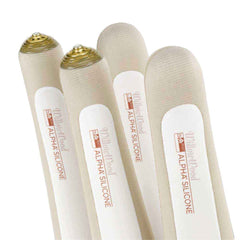
If your situation allows, having two prosthetic liners and rotating them is one of the most practical habits: wear one, wash and completely dry the other. This strategy improves hygiene, controls odor, and extends the life of both liners.
When to deep clean
If you’re highly active, sweat heavily, or notice lingering odor, add a weekly prosthetic liner deep clean to your routine. The process is the same as the daily wash, but with extra attention—using gentle hand friction to work through buildup. Some manufacturers allow a very soft brush on certain liners, but double-check your prosthetic liner’s care guide before assuming that’s safe for yours. Make sure to rinse thoroughly and allow to air dry completely before wearing again.
What to avoid
Get more use out of your prosthetic liners by avoiding the following liner killers:
-
Bleach – degrades liner materials and can irritate skin
-
High heat – dryers, hair dryers, heaters, and direct hot sun all accelerate material breakdown
-
Harsh solvents or alcohol – unless your manufacturer explicitly permits them. Guidance conflicts across brands, so defer to manufacturer instructions.
Don’t skip your limb
A clean liner on unwashed skin can still cause skin problems due to the combination of bacteria, sweat, and friction. Most care guides recommend washing your residual limb with mild soap and drying thoroughly before donning. So, build a two-step cleaning habit that includes both your liner and limb, at the same time every day. Consistency will always beat perfection.
When to replace your liner
Cleaning can only do so much. Replace your liner (or have your prosthetist evaluate it first) if you notice any of the following: cracks, thinning, tears, or fabric separation; loss of suspension that cleaning doesn’t fix; persistent odor or staining that won’t come out; or recurring skin breakdown in the same spots.
ALPS recommends discontinuing use at the first signs of material degradation and consulting your prosthetist.
The bottom line
You don’t need an elaborate ritual. You need a repeatable one: turn the liner inside out, use mild soap, rinse well, pat dry, and air dry completely. Do that daily, rotate liners if possible, and your skin—and suspension—will hold up far better for it.
Related Reading:
How to Build an Amputee Survival Kit - A Complete Checklist
Caring for Your Skin: Managing Prosthetic-Related Contact Dermatitis
Prosthesis Care 101: The Simple Daily Routine That Protects Your Skin, Device, and Mobility


