















Hydration or Moisture? How to Give Your Skin Exactly What It Needs


Reading Time: 5 minutes
___
Summary:
-
Hydration and moisture aren’t the same—they work differently on your skin
-
Hydrators pull water in; moisturizers seal it so it doesn’t escape
-
Most lotions do both, but knowing your skin type helps you choose better
-
Dry skin needs occlusives like shea butter; dehydrated skin needs humectants like hyaluronic acid
-
For amputees, protecting residual limb skin starts with knowing which one it needs
___
Recently, skincare buzzwords have surged, covering trends like skinimalism and ingredients such as ceramides, peptides, and hyaluronic acid. In this article, we aim to clarify two words you may have used interchangeably—hydration and moisture—and help you figure out when each is needed.

At Amputee Store, we’ve emphasized the importance of proper moisturizing and skin barrier protection, especially for residual limb skin care. But what exactly is hydration? When do you need to hydrate your skin? Is it the same as moisturizing?
Hydrator vs. moisturizer: Understanding the difference
Here’s the short answer: they work differently, even if they’re formulated to achieve the same skincare goal.
Moisturizers are oil-based and create a seal on the skin to lock in water. Hydrators contain humectants—like glycerin and hyaluronic acid—that attract water from the environment or deeper skin layers and keep it there. Think of humectants as the water source itself that moisturizers lock onto the skin.
In scientific terms, moisturizers are a broad category that includes occlusives (such as petrolatum or mineral oil), emollients (like plant oils and esters), and humectants. However, in marketing, brands often categorize them as either moisturizers or hydrators. According to cosmetic chemist Perry Romanowski of The Beauty Brains, these terms are mainly marketing terms, so it’s best to check the ingredient list rather than the label.
But it’s worth noting that water alone isn’t an effective moisturizer. It evaporates quickly and can actually strip your skin’s natural oils if you’re not following up with a product that helps lock it in. And the more you rinse without sealing, the water on your skin just evaporates, and the drier your skin becomes.
Which one does your skin actually need?
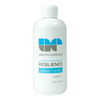
The good news is that most commercial lotions and creams already contain both occlusives and humectants, so they’re moisturizing and hydrating at the same time, like the Amputee Essentials Resilience Ultra-Rich Prosthetic Moisturizer, which contains hydrating hyaluronic acid and a blend of moisturizing oils.
As for the form the product takes (gel, balm, oil, or cream), choosing one over the others doesn’t dramatically change its performance. What matters is what’s inside. To help you assess if your skincare products contain the right ingredients for your skin type, here’s a table you can reference for your next skincare shopping:
|
Ingredient |
Hydrator or Moisturizer |
|
Aloe |
Hydrator |
|
Ceramide |
Neither—but it strengthens your skin barrier, which helps both hydrators and moisturizers do their job better |
|
Citric Acid |
Hydrator |
|
Glycerin |
Hydrator |
|
Hyaluronic Acid |
Hydrator |
|
Honey |
Hydrator |
|
Lactic Acid |
Hydrator |
|
Lanolin |
Moisturizer |
|
Mineral Oil |
Moisturizer |
|
Nut or Seed oils (coconut, almond, hemp) |
Moisturizer |
|
Plant oils (squalene, jojoba, tea tree) |
Moisturizer |
|
Shea Butter |
Moisturizer |
|
Snail Mucin |
Hydrator |
That said, understanding your skin type can help you choose smarter.
Dry, flaky skin
If you have dry skin that flakes or peels year-round, regardless of the season, your skin likely has trouble retaining moisture on its own. You’ll benefit most from a thicker, occlusive moisturizer that physically seals water into the skin. The gold standard here is shea butter, canola oil, or soybean oil. Consider trying Amputee Essentials Chafe Barrier Cream.
Tight and dull skin
If your skin feels tight and dull but isn’t naturally dry—what’s often called dehydrated skin—you need a product that adds water back in. Look for a serum or lightweight product with hyaluronic acid, which can hold up to 1,000 times its weight in water. The Amputee Essentials Ultra-Rich Moisturizer, which contains humectants, is worth trying.
Oily skin
If you have oily skin, you might assume it's already well-hydrated, but oily and dehydrated skin are not mutually exclusive. When the skin loses moisture, it can overcompensate by producing more oil. The fix is a water-based, non-comedogenic hydrator or moisturizer that won’t clog pores but will help restore the skin’s moisture balance and calm oil production over time.
The bottom line
Most people find that they need both a hydrator and a moisturizer, rather than choosing between the two. When layering products, start with a humectant like hyaluronic acid to attract water, then use an occlusive to seal it in. If you prefer a simpler routine, look for a single product that contains both types of ingredients.
For residual limb skin specifically, which is subject to friction and frequent cleaning and is often enclosed in prosthetic liners, understanding this difference is important. Dehydrated, unprotected skin is more vulnerable to breakdown. So, knowing whether you need to hydrate, seal, or do both is key to maintaining healthy, resilient skin over time.
Related Reading:
Help Me Choose: Salves, Balms, and Moisturizers
4 Holy Grail Prosthetic Skincare Products You Need
Caring for Your Skin: Managing Prosthetic-Related Contact Dermatitis


