



















What Causes Prosthetic Odor and How to Prevent It


Reading Time: 11 minutes
___
Summary:
-
Trapped sweat, bacteria, and skin buildup cause most prosthetic odor
-
Daily washing and complete drying stop the smell at the source
-
Fragrance sprays and powders can damage liners and irritate skin
-
Nighttime prosthetic antiperspirant application and wicking socks reduce trapped moisture
-
Persistent odor signals a worn liner, loose socket, or skin issue
___
If you notice a strong smell from your prosthesis every time you take it off, know that it doesn’t necessarily mean hygiene failure. Odor ranks among the most frequent complaints prosthesis users raise, and it worsens in hot weather, after a long day of wear, after a workout, or any time you sweat heavily. The good news is that strong prosthesis odor is largely preventable with the right daily routine.

Think about the conditions your residual limb lives in. For hours, your skin is sealed under a prosthetic liner, sock, socket, or sleeve, and that enclosed space traps heat, sweat, body oils, dead skin, and bacteria. Give it enough time, and that mix settles into your liner and prosthetic socket, leading to odor, itching, irritation, or skin trouble. One study of silicone liner users found that itching, perspiration, skin eruptions, and odor are common hygiene concerns—and people who washed their liners daily reported skin eruptions less often.
So, the goal isn’t masking a smell once it develops but preventing it from appearing in the first place.
Why Prosthetic Odor Happens
Before we go into the routine that helps prevent prosthetic odor from worsening, we need to understand why it happens in the first place.
As mentioned above, three ingredients drive most prosthetic odor (or odor, in general): sweat, bacteria, and buildup.
Sweat alone is odorless. The smell develops when sweat meets bacteria and dead skin cells in a warm space with no air circulation. Your residual limb spends hours in an environment that meets those conditions: inside a liner or socket. So, you end up with something like the “closed shoe” that causes foot odor, only stronger, because your skin is pressed against materials that are often not breathable, like silicone, gel, foam, or plastic.
Your liner typically is the one to blame, simply because it sits directly against your skin all day and soaks up sweat, oils, lotions, leftover prosthetic antiperspirant, and dead skin. When you skin a thorough clean or put it back on before it dries, that residue stays put. Your prosthetic socks, sheaths, sleeves, and the inside of the socket work the same way.
Heat then makes everything worse. In summer or mid-workout, your residual limb sweats more, and that perspiration has nowhere to go. It sits against your skin, adds friction, makes the fit feel slick, and creates an ideal environment for odor to develop. Researchers studying perforated liners zeroed in on this exact problem because trapped sweat often causes many residual limb comfort and skin issues.
Pay attention to what the smell is telling you, too. A faint end-of-day odor is normal. A sharp, sour, or musty one—especially alongside redness, pain, a rash, drainage, broken skin, or a warm patch—is not something to wait out. The skin against your socket needs careful monitoring since unchecked irritation can open the door to wounds and infection.
The Daily Routine That Prevents Odor
The routine that works simple: clean your skin, clean your liner, clean your socket, and let all three dry completely.
Begin with your residual limb. Wash it once a day with a mild, fragrance-free soap, and rinse until nothing is left behind, as residue irritates your skin and builds up on the liner. Then dry the limb fully before anything goes back on.
A lot of people do this at night, which gives the skin enough time to dry before morning. If you moisturize, do so at night or whenever you won’t be wearing your prosthesis for a while. Unless, of course, your prosthetist has recommended a specific prosthetic-safe product. Rich lotions, oils, and balms applied under a prosthetic liner tend to leave a film that increases the risk of slipping.
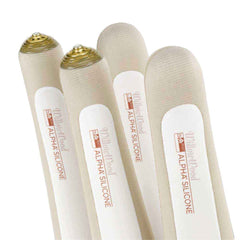
Your liner needs cleaning every day you wear it. Flip it inside out so the side that touched your skin faces up, then wash that surface with warm water and a mild soap meant for liners, working it with your hands rather than a brush or scratchy cloth.
And rinse it well past the point you think is enough. This is because soap left behind can irritate the skin and leave the liner tacky or slippery.
Once it’s washed, dry it with a lint-free towel and let it air dry completely before it’s worn again. Several manufacturers suggest drying both the inside and outside, then hanging the liner away from direct heat and sunlight. Össur, for instance, recommends toweling the liner and hanging it to dry fully, away from direct sun and heat sources.
Never pull on a liner that’s still damp. Even a trace of moisture invites odor, friction, and irritation right back in.
Finally, wipe down the inside of the prosthetic socket. It may not sit on your skin, but it still collects sweat, dust, skin flakes, and odors transferred from liners, socks, and sleeves. Most days, a damp cloth with a little mild soap does the job; follow it with a clean, damp wipe to clear the soap, then leave it open to air overnight.
Why Masking the Smell Backfires
While it may be tempting to reach for fragrance—a scented spray, a perfumed lotion, a deodorizing powder, or a heavy-duty cleaner—stop yourself. The smell may improve for a few minutes, but then trouble could not be far behind.
Fragrance can irritate the skin. Powder clumps in sweat, leaving grit behind. Harsh chemicals eat at liner materials, and alcohol sprays can dry out or break down some surfaces. Bleach and strong disinfectants may harm both your skin and your components unless the manufacturer specifically clears them.
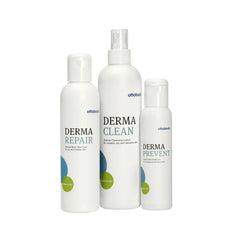
You want odor gone, not masked—and that comes from clearing out the bacteria and buildup. If you’d rather use a dedicated cleaner, make sure it’s built for prosthetic liners or signed off by your prosthetist. Until you’ve confirmed what’s safe for your particular liner, plain mild soap and water are the reliable option.
Managing Sweat Before It Builds Up
As mentioned above, sweat is one of the biggest drivers of prosthetic odor. You can’t shut it off entirely, but you can reduce trapped sweat—and that alone makes a big difference.
For some people, a prosthetic antiperspirant helps. It is often best applied at night since you sweat less then, and the product gets a head start before the prosthesis goes on. Reach for a fragrance-free formula if your skin is sensitive, and check with a prosthetist or dermatologist about whether an over-the-counter or prescription option fits your situation—particularly if you’re managing sensitive skin, diabetes, circulation issues, or a history of skin breakdown.
Schedule prosthesis breaks during the day, too. When the fit starts to feel loose, slick, or damp, take the prosthesis off when it’s safe, dry your limb and liner, remove any moisture, and put it all back on. That reset pays off most after walking, exercise, outdoor work, or sitting too long in the heat.
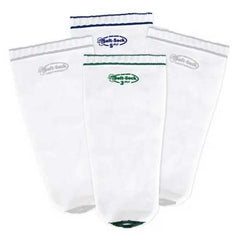
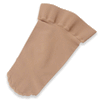
Prosthetic socks and liner-liner socks—a prosthetic sock designed to be worn under a suspension liner next to the skin—may help some users stay drier since these thin layers draw sweat away from the skin and reduce friction between the skin and the liner. They don’t suit every suspension system or socket fit, though, so ask your prosthetist before adding anything that could shift your fit or alignment.
Keeping a Rotation When Possible
Keeping one liner odor-free is harder than keeping two as fresh as possible. A liner you wear every day may never fully dry between uses, especially in humid weather or after heavy sweating. With a second liner, you can rotate (wear one while the other is cleaned, dried, and aired out), which reduces odor and extends the life of each liner.
The same logic applies to socks and prosthetic sheaths. Swap them daily, sooner if they get damp, and treat them like gym socks: once they’re sweaty, they go in the wash before being worn again.
Storage matters, too. Don’t keep a damp liner in a gym bag, drawer, plastic bag, or suitcase for too long. Trapped moisture is exactly what odor-causing bacteria feed on. So, it’s best to store your liners and socks somewhere clean, dry, and ventilated.
Browse Prosthetic Socks and Replacement Liners
Watch for Skin Changes
Strong odor means your skin may be at risk. So, give your limb a daily check for redness, rash, blisters, bumps, swelling, drainage, or spots that feel warmer than the rest. Also, notice itching, burning, soreness, or new pressure points. Any of these can crop up when sweat, bacteria, friction, or a poor fit irritate your skin.
If a strong smell doesn’t improve with cleaning, or if it turns up with skin changes, stop troubleshooting on your own and call your prosthetist or provider. The liner might be worn out, the socket might need adjustment, or your skin may need immediate treatment.
Keep an eye on fit, too. A loose prosthetic socket means more movement, rubbing, and sweat, and a liner that’s torn, stretched out, or no longer sealing can hold onto buildup and resist cleaning.
Sometimes the smell isn’t hygiene failure but a sign that a component needs to be replaced.
Common Odor-Causing Habits to Avoid
A handful of small habits can make the prosthesis odor noticeably worse:
-
Wearing the same unwashed liner several days running
-
Pulling a liner on over heavy lotion or oil with no instruction to do so
-
Washing a liner but cutting the rinse short
-
Putting on a damp liner
-
Ignoring odor from your socks, sleeves, or the socket
-
Using harsh chemicals without checking whether they’re safe for your liner
And don’t wait for the smell to get obvious before you act. Once odor works its way deep into a liner, it can be harder to remove—prevention is far easier than rescuing it later.
A Simple Odor-Prevention Checklist
To recap everything we’ve discussed so far, this checklist can help you be on top of cleaning your prosthesis.
At the end of each day:
-
Wash your limb with mild soap and rinse well
-
Dry your skin completely
-
Wash your liner inside out with mild soap and warm water
-
Rinse it thoroughly
-
Dry the liner with a clean, lint-free towel, then air dry fully
-
Wipe the inside of the socket
-
Wash any prosthetic socks, sheaths, or liners worn that day
-
Store everything in a clean, dry, ventilated area
Before you put the prosthesis on:
-
Check that your skin is clean and dry
-
Check that the liner is fully dry
-
Skip heavy lotions or oils under the liner
-
Scan your skin for redness, irritation, or sore spots
During the day:
-
Take prosthesis breaks when needed
-
Dry your limb and liner if you’re sweating heavily
-
Change damp socks or sheaths
-
Don’t ignore slipping, rubbing, pain, or an off smell in the socket
The Bottom Line
Your prosthesis can smell because it seals sweat, heat, bacteria, oils, and dead skin into a closed space—but that doesn’t mean you have to live with it. Most odor eases once you settle into a routine of daily cleaning, full drying, sweat management, and regular skin checks.
Keep the routine simple: clean it daily, dry it thoroughly, prevent moisture buildup, and monitor your skin. And when a smell becomes strong, sticks around, or shows up with irritation, consult your prosthetist or provider. Odor may start minor, but it’s often the first hint that your skin or your components need some attention.
Related Reading:
How to Wash a Prosthetic Liner
Prosthetic Maintenance Checklist: What to Clean, Inspect, and Replace—and When
A Primer on Breathable Prosthetic Liners
What Your Residual Limb Skin is trying to Tell You (Before It Gets Worse)


