






















A Solo Travel Guide for Amputees


Reading Time: 6 minutes
__
Summary:
-
Solo travel guide tailored for amputees
-
Covers accessibility planning, packing tips, and transport options
-
Includes prosthetic care kit essentials and charging strategies
-
Advice on airport navigation, mobility pacing, and safety backups
__
Traveling alone can be one of life’s most empowering experiences—an opportunity to discover new places, connect with new people, and learn more about yourself along the way. For amputees, traveling independently involves special considerations, such as preparing prosthetic devices, navigating transportation, and maintaining comfort during travel.

This guide offers practical advice, mindset strategies, and mobility tips to help make your solo trips safer, smoother, and more enjoyable.
Plan Carefully
Good travel starts well before booking tickets. For amputees, researching your destination’s accessibility is essential: check sidewalks, public transport features and options, hotel layouts, and weather. Confirm that your chosen accommodation provides accessibility features—such as elevators, step-free entrances, roll-in showers, and grab bars—rather than relying on vague website claims.
If you wear a prosthesis, assess whether local terrain or climate (heat or humidity) might impact your comfort, especially during long walks. Additionally, drafting a rough itinerary that includes rest breaks, backup plans, and time buffers will be beneficial, as airports, transit hubs, or historic areas often require more time and effort.
Research Transport Options
In most cities, public transport, such as trains, is accessible enough with elevators and escalators at stations. But you might also want to look into rideshare services, like Uber, Lyft, and Grab (in Asia). You can request larger vehicles, such as SUVs, which offer more space while also allowing easy transfer. This is especially important if you travel with a wheelchair.
Communicate clearly with your driver about your needs. Text them ahead of time to explain your situation and check if they feel comfortable helping with your wheelchair, luggage, or transferring into the vehicle. Also, ensure the pickup spot is accessible and convenient for you.
Plan Your Charging Routine
If you rely on mobility aids that need charging, like microprocessor knees, it’s wise to get a reliable extension cord with multiple outlets. For extended trips, portable chargers could be useful. Label your charging cords clearly to prevent confusion and facilitate quick setup. Using a cord organizer or packing cube can help keep your cords neat and handy.
Also, ensure to allot enough time to charge your devices.
Build a Prosthetic Travel Kit
Pack essential items specifically for prosthetic care and personal comfort:
-
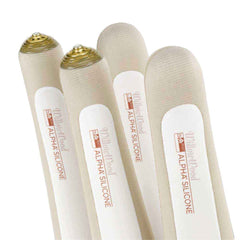
Bring extra liners and prosthetic socks of various thicknesses for residual limb swelling or weather changes.
-
Pack cleaning supplies and hygiene wipes, especially if you’ll be walking or sweating more than usual.
-
Carry basic tools, like a screwdriver or Allen wrench, for quick adjustments, particularly on longer trips or on rough terrain.
-
Include a small first-aid kit and any prescribed medications.
-
Keep important documents, such as ID, medical device details, prescriptions, and prosthetic paperwork, in a carry-on or day bag, as you may need them unexpectedly during travel.
Navigating Airports and Security
Airports can be stressful even without a prosthesis. For amputees, additional challenges include longer walks, security screenings, and luggage management. Here’s how to make travel easier:
Opt for non-stop flights when possible: This minimizes walking and reduces fatigue.
Request assistance early: Using mobility aids, wheelchair transport, or help with luggage can conserve energy and reduce stress and anxiety.
Anticipate extra screening: Prosthetic limbs may trigger alarms. Wear clothes that are easy to remove or adjust, and ask for a private screening if necessary.
Pack prosthetic supplies in your carry-on: Batteries, liners, spare parts—keep them accessible in case of delays or lost luggage.
Most importantly, don’t let security screening discourage you. Staff are typically trained to assist, and requesting accommodations is your right.
Pace Yourself and Listen to Your Body
Travel often involves long days of sightseeing, walking, and exploring, which can be tiring. To stay comfortable and energized, consider these tips:
Take regular breaks to stretch, adjust socks or liners, and check the residual limb for signs of pressure or irritation.
Stay well-hydrated, especially in hot or humid weather, as this helps reduce swelling and maintain healthy skin.
Use additional mobility aids, such as a cane, walking stick, or portable chair, when covering long distances or rough terrain.
Incorporate rest days or lighter activity days into your schedule. Downtime is vital for your overall well-being, even when traveling. Remember, it’s not about doing everything but about staying realistic and comfortable while enjoying what you want to do.
Keep Backups and Prepare a Repair Plan
Prosthetic devices are generally durable, but traveling can put extra stress on them—long hours, different climates, unexpected moisture, sand, salt, or uneven terrain. To avoid being stranded, always carry spare liners, socks, and basic repair tools with you. Many individuals with limb loss have reported that a compact toolkit helped them when a screw loosened during a trip.
Most importantly, know where local clinics or prosthetic services are at your destination. If traveling internationally or far from home, locate potential repair facilities, just in case.
Embrace Flexibility
Be prepared to adapt your plans—view it as part of the experience. Don’t hesitate to ask airline staff, hotel employees, or strangers for help; most are willing to assist when you clearly communicate your needs.
And don’t let discomfort hold you back from exploring. Traveling alone offers freedom. For individuals living with limb loss, it can serve as a strong reminder of independence, resilience, and capability.
The bottom line
You might look at this guide and wonder if traveling solo as an amputee is worth it. Although it may need more planning and caution, the rewards are priceless: independence, boosted self-confidence, new experiences, and memories created on your own terms.
With careful planning, mindful packing, and a positive outlook, you can enjoy your trip fully without sacrificing anything.
Related Reading:
Travel Agency Wheel the World Makes Traveling Accessible
How to Build an Amputee Survival Kit


