



















How Losing Weight Affects Your Prosthesis

Body weight naturally fluctuates over time due to factors such as changes in activity level, diet, medications, health conditions, and aging. For people who use lower-limb prostheses, these changes can also affect residual limb volume and how their prosthesis fits and functions.
While human bodies are dynamic, prosthetics, for the most part, aren’t.
So much time and care go into ensuring that the socket is exactly the right size and dimension so that it integrates seamlessly with the residual limb and the rest of the body.
Fitting a prosthetic device typically requires several visits with your prosthetist to account for your unique anatomy. During these visits, your prosthetist can adjust alignment, relieve pressure points, and tighten or loosen the prosthesis, among other things.
Despite this elaborate process, you are not exempt from experiencing issues related to natural fluctuations in body size. Weight issues can arise in certain situations, from being an expecting amputee mommy to eating poorly due to a high-stress job to any type of surgery when swelling and inflammation are expected. Each of these situations can result in an ill-fitting prosthesis. If this is left unchecked for too long, your prosthesis can cause serious discomfort and a whole host of related complications.
Gradual weight loss can be managed with prosthetic supplies, such as thicker gel liners or an additional ply of prosthetic sock. However, if you lose a significant amount of weight, your prosthesis can cause discomfort, including friction, a change in gait, and unnecessary physical strain.
Furthermore, if weight loss is not addressed promptly, it can lead to poor control of the prosthesis, increasing your risk of injury from a fall.

So, what can you do?
First, let’s take a look at what issues you can expect from your prosthesis when you lose weight:
1. Prosthetic Foot
Prosthetic feet are designed for specific weight ranges and activity levels. Significant weight loss may affect how a prosthetic foot responds to load, especially if your weight falls outside the range recommended for its stiffness category. Depending on the foot design, it may feel less flexible or provide less energy return while walking. Your prosthetist can assess whether the foot remains appropriate for your current weight, activity level, and walking needs.
Here are some common issues you may notice in how your prosthetic foot feels after losing a significant amount of weight:
-
Rapid heel-to-toe movement
You will discover that your knee has a tendency to flex when you try to load the heel. This is because your prosthetic heel is less forgiving when you've lost weight. Essentially, your prosthesis is more rigid and, as such, will progress more quickly from heel contact to the late stance phase of walking.
-
Poor control of the prosthetic socket at heel strike
If you wear a prosthetic foot that has been weight-rated for a heavier version of you, your limb can rotate within the socket, which leads to poor control of your prosthesis.
-
External rotation at heel strike from a stiff heel
A foot that is effectively categorized for a heavier person can rotate from a stiff heel. This issue is expected when compressing the heel is more difficult because you weigh less and drive less force into the heel at initial contact of walking.
In addition to these three items, you may also notice that you can’t feel the energy return from the heel and toe spring of your carbon or fiberglass foot. This happens because you no longer weigh enough to properly load the foot plate.
2. Knee
Significant weight loss may affect prosthetic knee stability, particularly when changes in socket fit or foot loading alter how forces move through the prosthesis during walking. Some users may notice unexpected knee flexion, instability, or changes in their walking pattern. Because these symptoms can have several causes, consult your prosthetist for an assessment rather than assuming that weight loss alone is responsible.
3. Prosthetic Socket
Above-Knee (AK)
Visiting your prosthetist immediately helps you prevent serious injuries caused by a loose AK socket. When you lose a significant amount of weight, you want to prevent your prosthesis from rotating externally, especially when you’re trying to control your prosthesis to walk.
Another area where you can feel the effects of losing weight is in your pubic ramus, or the bone in your groin area. Losing weight causes your residual limb to dip too far into your socket and begin riding on the socket brim. This adds unnecessary pressure and physical stress.
The same goes for the bottom of your femur bone. In this case, a loose socket can promote pressure either on the side or directly on the bottom of the bone.
You may also experience poor suspension or loss of suspension. This makes it harder for you to keep your prosthesis on. But if the weight loss is mild, this can be easily remedied with an AK suspension belt or, depending on your setup, more prosthetic socks.
Below-Knee (BK)
If you wear your prosthesis below the knee, some issues you can expect include discomfort along the front part of your socket. Pressure along the cut end of the tibia and over your kneecap are other possible issues to watch out for.
4. Prosthetic Gait Changes
Weight loss can affect your walking pattern, especially when changes in residual limb volume loosen your socket. If your residual limb sinks deeper into the socket, the prosthesis may effectively shorten, potentially affecting your balance, posture, and walking efficiency. Over time, compensatory movements may contribute to discomfort or additional strain on your back, hips, and other joints.
When you have lost weight, one thing to watch out for is the sensation of walking up a hill when you bring your weight over the prosthesis. This is a telltale sign that your foot is no longer properly weight-rated.
If you have a below-knee amputation (BKA) or above-knee amputation (AKA), losing weight makes your prosthesis too short for your residual limb. This leads to a “shoulder dip,” which is most evident on your prosthetic-side shoulder. Walking with a slight side lean over your prosthetic side is also known as a lateral trunk bend during stance.
Meanwhile, AK amputees may experience discomfort along the inner brim of their sockets. If this is you, you may find yourself walking inefficiently with a very wide base of support. Please tell your prosthetist before this walking habit becomes more ingrained.
5. Your Options
Now that you have a better understanding of how weight loss can affect your prosthesis, it’s time to explore your options.
According to O&PCare.org, if you experience any change that affects your limb, contact your prosthetist immediately to have your prosthesis re-evaluated for a better fit. They should check whether your prosthetic foot is still in the correct weight category and recommend whether you need a new prosthesis or just a foot bumper change or a wedge modification.
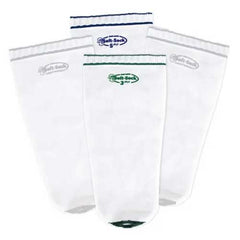
While waiting for your appointment, you can alleviate discomfort by adding extra sock ply to tighten the socket. Another option is to add calibrated gel pads, which help compensate for socket looseness. They can also reduce discomfort by preventing the tibia or femur from hitting the wall of the socket.
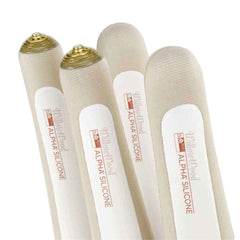
Another option is a gel roll-on, which can improve the fit of most prosthetic suspension liners. You can add a gel roll-on to most prosthetic designs to tighten the lower half of your socket and reduce friction.
Switching to a thicker prosthetic liner, such as moving from 3 mm to 6 mm or from 6 mm to 9 mm, may reduce the number of prosthetic sock plies needed by approximately 10 to 12, depending on the liner, socket design, and individual fit. However, changing liner thickness can also affect pressure distribution and prosthetic alignment, so consult your prosthetist before making the switch.
If the socket is loose in multiple areas, this may warrant more than one product to tighten it, and adding a distal end pad is a great option. This gel end pad is ideal if your residual limb has lost length and works well with other prosthetic products like socks, gel liners, sheaths, and calibrate gel pads.
In situations like this, it’s also important to take better care of your skin. A skin care regimen helps minimize or prevent friction, which saves you from further discomfort. Consider including a Tamarack liner patch and a prosthetic salve in your skincare kit. These products are known for providing on-the-spot relief.
While the solutions above are prosthetist-approved ways to alleviate discomfort, please keep in mind that they are as temporary as a band-aid. Setting up an appointment with your prosthetist is still the best way to address weight loss and avoid further health issues.
If you have any questions or want to share any solutions that have effectively relieved discomfort caused by weight loss, please leave a comment below. The amputee community wants to know!


